Another CBC update today on their whistle-blower investigation into predatory financial practices throughout Canadian banks. See: Go Public: ‘I feel duped’: Why bank employees with impressive titles could cost you big time.
The findings reiterate the case for why Glass-Steagall like divisions must be re-established between deposit taking banks–backed by taxpayer-funded insurance–and the financial/investment product sales franchises. But this is not just in banks, it is financial sector wide. Allowing the product sales side to dishonestly promote itself as ‘advisory services’ (with an ‘o’, as opposed to fiduciary adviser with an ‘e’) since the late 1990’s, has been a financially suicidal time for individuals, families and the global economy, now teetering once more on toxic debt and asset bubbles.
What the article misses however, is that individuals play a leading role in their own poor financial outcomes. It takes both a self-interested, sales rep and gullible, greedy, misinformed or undisciplined clients to enable destructive financial plans and execution.
In this article, the ex-RBC client Black, is set up for disappointment and frustration from inception by virtue of his own insufficient savings and unreasonable expectations about what returns he can safely earn, and when he can afford to retire (he has no pension). Black makes the classic error of believing he can retire because he has “worked for 35 years”. Years in the work force is not the test here folks!! The test is:
- what are your income needs for retirement?
- how much savings have you accumulated to date?
- what income can your savings safely produce, without unduly risking the capital, given currently available yields?
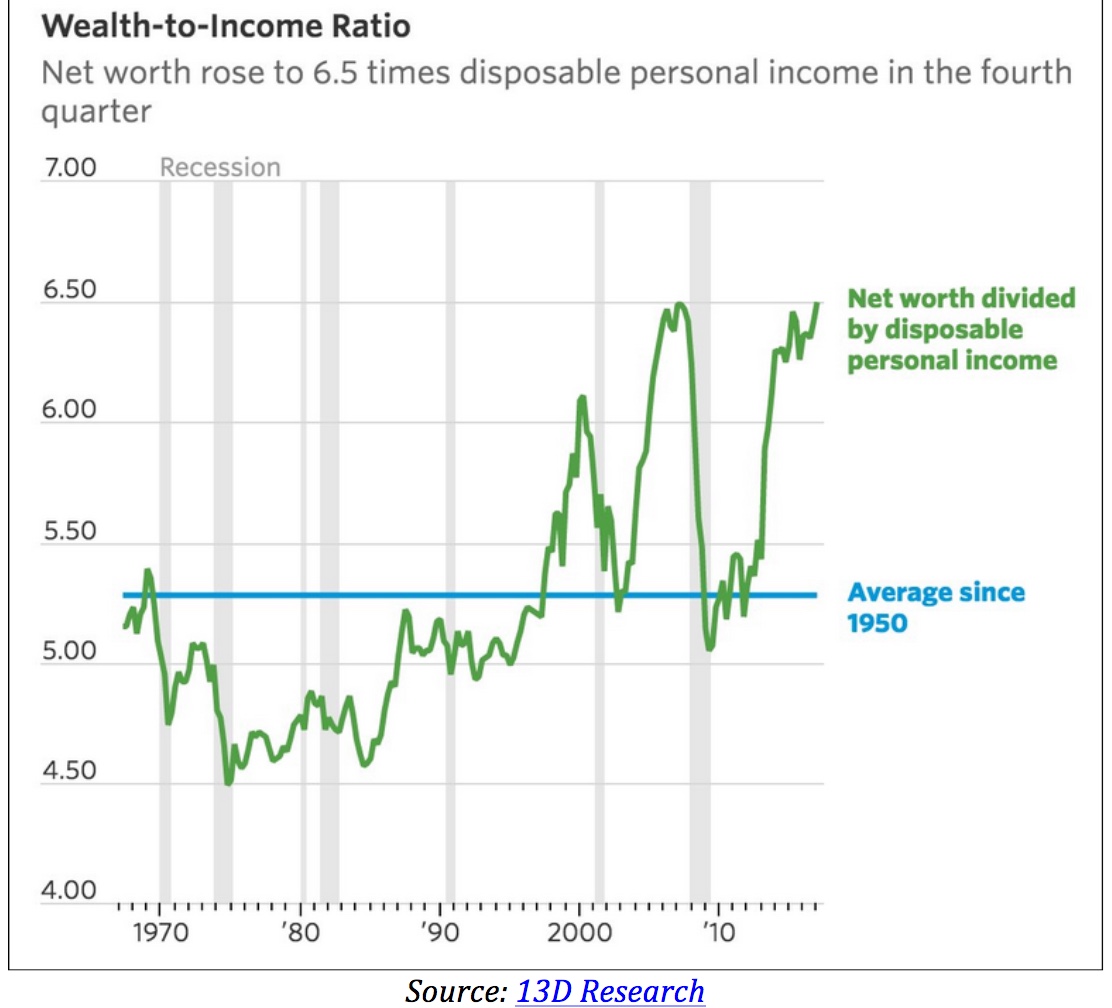
When current yields on GIC’s, CD’s and government bonds are yielding less than 2%, rental incomes are increasingly negative, corporate debt and equities are dramatically over-priced and yielding very little in exchange for high capital risk, then we have to factor the reality of the environment into our financial plans.
We don’t get to put ourselves in different public markets. We can’t pay higher fees to a sales person and expect that will somehow magically make our savings produce more safe income. To the contrary–paying higher fees in this environment is most likely to have the opposite effect–more risk, capital losses and even lower returns over time. And this is all before we even get into the next bear market which is likely to remove anywhere from -25 to 55% from currently egregious asset prices. This is not true because I say so, this is true because it is the math we all face in our present market cycle and current asset valuations.
One million dollars in this environment, without unreasonable capital risk, can safely produce 1 to 2% of income per year. This will only improve, when asset prices mean revert lower so as to produce higher income yields with much less capital risk. Until that happens, signing up with sales firms who say you can retire now, or produce returns that are 2, 3 or 4 times the rate of available yields, is pure folly and willful blindness.
Those who can see truth and control their financial choices and behavior accordingly, will earn much better returns ahead. Those who cannot however, will earn the usual fate of undisciplined financial behavior: lost money, lost time, insufficient capital and psychological anguish. Bad returns indeed.