
When I was very young, there was no municipal garbage pick up in our village, people were required to take their own garbage to the dump. This caused us to care about how much trash we created. My farmer grandparents naturally composted and sorted waste into recyclables. Pop, beer and milk bottles all had return deposits when you took them back to the stores that sold them. The focus was intuitively on how to reduce and reuse. Then in the 1980’s consumer goods manufacturing moved to Asia, and started shipping to us from overseas. Suddenly packaging refuse exploded.
Today our family is so programed to sort our trash and compost that we are frequently shocked and grossed out when we travel to countries like America and the Caribbean to see still how little trash management is even attempted. Same goes for businesses like Starbucks who hand out tons of packaging and yet often provide no recycling receptacles for customers to sort their trash into. Once it is in your behavior to reduce, reuse and recycle it feels disgusting, rude and unintelligent to toss everything into one trash bag. These behavior patterns are learned. We need more individuals and business owners to help lead change. One easy start is that businesses should not be allowed to sell products in packaging they do not collect or sort for recycling. Full stop.
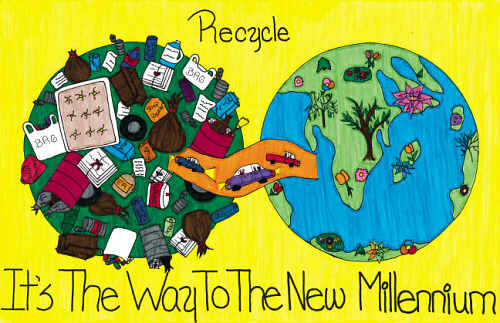 Here is an interesting article about the behaviors that drive decisions to recycle or not, and how it effects our tendencies to consume. Food for thought.
See: The Behavioral Economics of Recycling: there’s more happening than you think.









