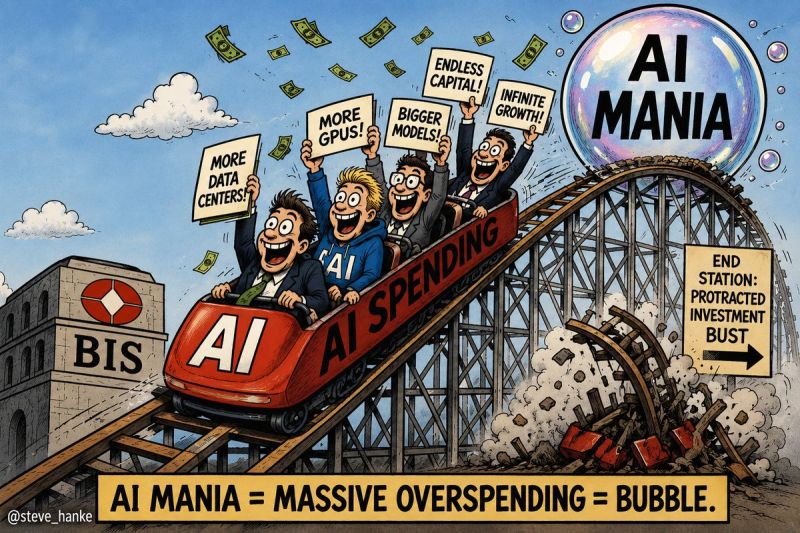
Bubble finance 3.0: mind the splatter

It is critical to understand that BREXIT is not the cause of present angst, but only another symptom of the bubble finance which has been plaguing and increasingly destabilizing the global economy over the past 20 years.  The third major asset market implosion (after 2000 and 2007) is inevitable and necessary.  It is wise for individuals to make every reasonable effort to protect their financial health from the splatter.  We are now in year 17 of the secular bear that began in 2000 (historically secular bears have lasted 17-20 years before ending in the cheapest asset valuations in a generation).  So we are very likely getting close to the end of this one.  Preservation of savings and liquidity is the number one goal today.  This is a marathon not a sprint.  Only those who have mentally trained for the hills will have the staying power to prevail and cross the finish line in good health.

Great big picture article from David Stockman via Seeking Alpha this morning.  Read:  Here we go again–August 2007 redux for more insight:

Nearly everywhere on the planet the giant financial bubbles created by the central banks during the last two decades are fracturing. The latest examples are the crashing bank stocks in Italy and elsewhere in Europe and the sudden trading suspensions by three UK commercial property funds.

If this is beginning to sound like August 2007 that’s because it is. And the denials from the casino operators are coming in just as thick and fast.

Back then, the perma-bulls were out in full force peddling what can be called the “one-off” bromide. That is, evidence of a brewing storm was spun as just a few isolated mistakes that had no bearing on the broad market trends because the “goldilocks” economy was purportedly rock solid.

Thus, the unexpected collapse of Countrywide Financial was blamed on the empire building excesses of the Orange Man (Angelo Mozillo) and the collapse of the Bear Stearns mortgage funds was purportedly owing to a lapse in supervision.


Posted in Main Page | Comments Off on Bubble finance 3.0: mind the splatter

Central banks flail as capital risks never higher

Today the Bank of England has responded to falling global growth and rising financial stress, with more misguided policy ‘easing’ aimed at prompting banks to lend more to households that are already drowning in debt. Central bankers only ever had this one idea, and they have flogged it this cycle to sub-zero. The global financial system is already brimming with debts that cannot be repaid, but the wizards of Oz keep hoping to add some more. Willfully blind, we should not expect admission or repentance–at least until after they leave office (or are thrown out).

Future yields tell us about market expectations for economic growth. And with nearly $12 trillion in bonds now yielding less than zero (ie, lenders paying borrowers to take loans) across much of the developed world for terms out to 10 years, government bond markets are forecasting recession as far as the eye can see.

As we suspected it would, this is also continuing to drive global capital flows into the relative safety and yield of North American bond markets. Today the US 10 year yield broke to a fresh all time low of 1.38, significantly below both the 2008 recession and the 2012 European crisis lows. The bond market is seeing less growth ahead than it did in the ‘Great recession’.  Food for thought.

With stocks and high yield bonds still at or near all time highs, it also means that the return prospects for the typical balanced investment portfolio held from current levels over the next decade has never been lower:   less than 1.3%.  As shown in the chart below, portfolio return prospects today are lower than at the stock market peak in 2000, because stocks and corporate bonds are extremely over-valued and investment grade bond yields are a fraction of what they were in 2000 (ie., 1.38% today versus 5.5% then).

All of this means that the downside for buy and hold investors has never been larger and the upside never less than right now. It doesn’t have to be this way. Cash does not have to be wasted on toxic assets. But don’t expect most investment managers or advisers to admit this. The majority have to hold capital in harm’s way in order to meet their own fee collection targets. And like central bankers, they will continue to be willfully blind at their clients’ expense.

This leads to a point which is rarely acknowledged in the money management business.  The vast majority of products and managers collect significantly higher fees from capital which is allocated to the higher risk equity and corporate debt strategies as compared with cash and investment grade bonds.  Hence the money business has an inherent bias in advising that clients place a large weight of their savings in the highest risk/highest fee allocations.  This is a huge conflict of interest between ‘advisors’ and their unsuspecting clients.  A fiduciary standard requires in law that the advisor highlight to their clients any conflicts of interest between them.  The way fees are collected in most investment firms is a huge conflict of interest, and yet, virtually no one is mentioning it.

Posted in Main Page | Comments Off on Central banks flail as capital risks never higher

Trump, Brexit and ISIS: common policy drivers

Good big picture connections in this discussion with Sachs. Here is a link to his Project Syndicate article yesterday Why ISIS persists.

The Morning Joe panel discusses the fallout from the Brexit vote and Hillary Clinton’s record on foreign policy. Here is a direct video link.

Posted in Main Page | Comments Off on Trump, Brexit and ISIS: common policy drivers