US Auto loan bubble hits $1 trillion

The auto loan bubble has gone full nut bar thanks to broke undisciplined consumers, reckless lending from dumb yield starved investors and willfully blind leaders at central banks. This report is on the US market, but similar antics have dominated in Canada and many other countries as well. The end result is a world awash in dinosaur (‘ICE’ internal combustion engine) vehicles that have been booked as ‘sales’ by auto-makers but not actually paid for that will end up in debt write-offs, investment losses and probably more taxpayer bailouts.

All of which reminds me of a refreshingly honest quote uttered by our Bank of Canada chief:  “There’s a crater under every bubble. Every one.”--Stephen Poloz, May 3, 2016

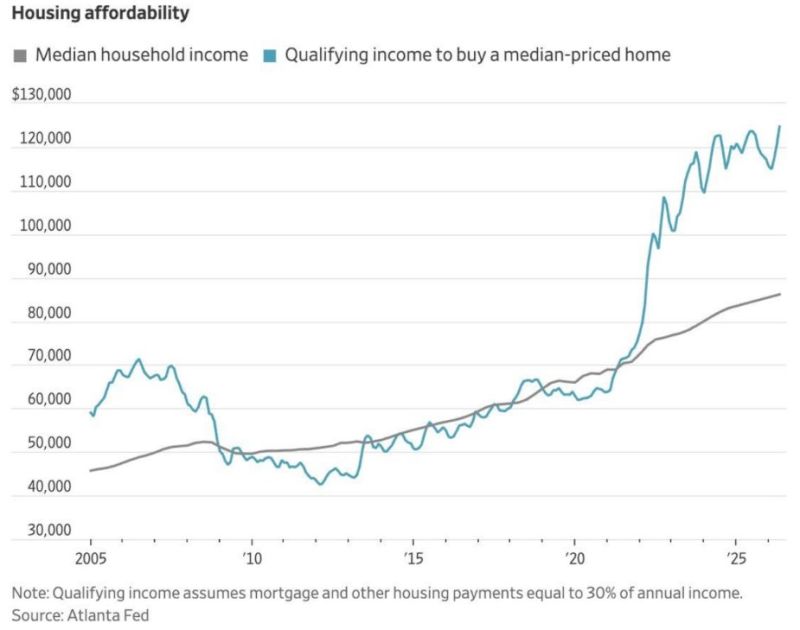
In May, the total amount of auto loans cracked the $1 trillion mark for the first time, marking a 10 percent increase. It comes as auto sales have hovered around record highs.

At more than $30,000, the average auto loan for a new car is also at an all-time high, according to Experian. Also, at more than $500, the average monthly auto loan payment is at a record. See: Jamie Dimon just sounded the alarm on auto loans.

When loans are too sketchy and dumb for even never-met-a-loan-he-couldn’t-flog- Jamie Dimon, you know these things are toxic sludge.  Here is a direct video link.

Posted in Main Page | Comments Off on US Auto loan bubble hits $1 trillion

Counting the cost of energy subsidies

In 2009, as oil prices fell 70%, G20 leaders called for an end to fossil fuel subsidies.  But then monetary stimulus and wild west speculation in the finance sector drove a sharp rebound in commodity prices, exploration and associated revenues, and no reforms happened.  As prices began to fall again in 2014, a push for phasing out subsidies has been proceeding once more.

Last April, the president of the World Bank, Jim Yong Kim, told the Guardian that it was crazy that governments were still driving the use of coal, oil and gas by providing subsidies. “We need to get rid of fossil fuel subsidies now,” he said.

The World Bank and IMF have both noted that existing fossil fuel subsidies overwhelmingly go to the rich (who consume the most energy), with the wealthiest 20% of people getting six times as much as the poorest 20% in low and middle-income countries.

The IMF estimated energy subsidies in 2015 at $5.3 trillion ($600 million per hour) or 6.5% of global GDP and that most of this cost arises from fossil fuel taxes which are set far below the full cost accounting of the associated environmental damage, air and water pollution and public health costs, leaving prices “woefully below levels that reflect their true costs.”  See:  Fossil fuels subsidized by $10m a minute: says IMF

The IMF estimates that eliminating global energy subsidies would reduce deaths related to fossil-fuel emissions by over 50% and fossil-fuel related carbon emissions by over 20%.  But for conservatives, there is a pecuniary reason to end energy subsidies.  They make bad financial sense.

Ending subsidies to fossil fuel would level the playing field and enable renewable energies to compete and win market share on their own merits as well (go free market forces!).  Then the smartest, most efficient (full cost accounting) solutions can prevail.   And importantly for budgets, the revenue saved from subsidies will provide cash needed for funding and investment in other critical areas even with a reduction in overall tax rates.

The math is clear, no honest fiscal conservative can legitimately argue for a continuation of energy subsidies.  Full stop.  See  IMF: counting the costs of energy subsidies:

The revenue gain from eliminating all energy subsidies is projected to be US$2.9 trillion (3.6 percent of global GDP) in 2015. This offers huge potential for reducing other taxes or strengthening revenue bases in countries where large informal sector constrains broader fiscal instruments.

Advanced economies would gain enough revenue to halve corporate income tax or cover one quarter of public health spending.  In emerging economies, the revenue is worth double their corporate income tax revenues or public health spending. In low-income countries, it is about one and half times corporate income tax revenues or public health spending.

The net gain from reform, after subtracting the cost of higher energy prices to consumers from the fiscal and environmental gains, is projected at US$1.8 trillion (2.2 percent of global GDP) and could be much larger if the fiscal gain is used for growth-enhancing tax cuts on labor and capital or badly needed investments in education, health, and infrastructure.

Posted in Main Page | Comments Off on Counting the cost of energy subsidies

To stay energy superpower, Canada must shift to renewables: new report

Now that our ex-conservative government is no longer suppressing scientific reports in Canada (can we sue elected officials after the fact for economic harm flowing from their criminal negligence and breach of trust in office?–we the people should!) the CBC has obtained a draft copy of a 32 page report from the government’s own Policy Horizons Canada (Read the full report here: PDF link).  The little-known government organization provides medium-term policy advice based on their forecasts that look a decade or two into the future.

Their conclusion:  Canada’s status as an energy superpower is under threat because the global dominance of fossil fuels could wane faster than previously believed:

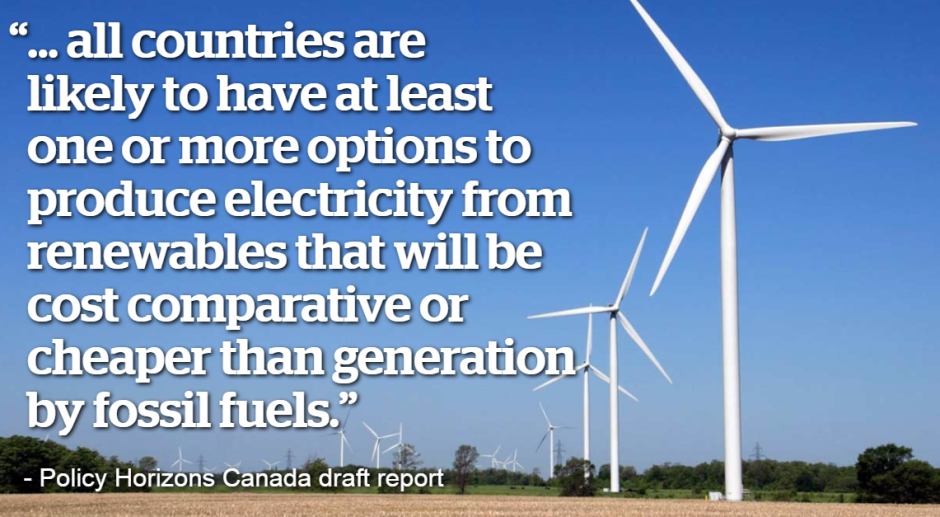
“It is increasingly plausible to foresee a future in which cheap renewable electricity becomes the world’s primary power source and fossil fuels are relegated to a minority status.”

policy-horizons-draft-report picture


(OPEC too, see Liam Denning’s video report here:  The beginning of the end for OPEC )

Here is Margaret Atwood’s commentary on Canada’s reality yesterday:

Stephen Harper’s Tories have been out of office for less than a year and now we’re starting to learn what Canada’s researchers had been unable to tell the country about the state of the land and the world. Most recently, Policy Horizons Canada — a Canadian government think-tank that focuses on medium-term predictions — has warned the government that global adoption of renewables is coming on faster than predicted, and shows signs of accelerating, which means that Canada’s economy is in danger — thanks to a decade of orienting the country around exporting some of the dirtiest oil on the planet, at the expense of high-tech manufacturing industries.

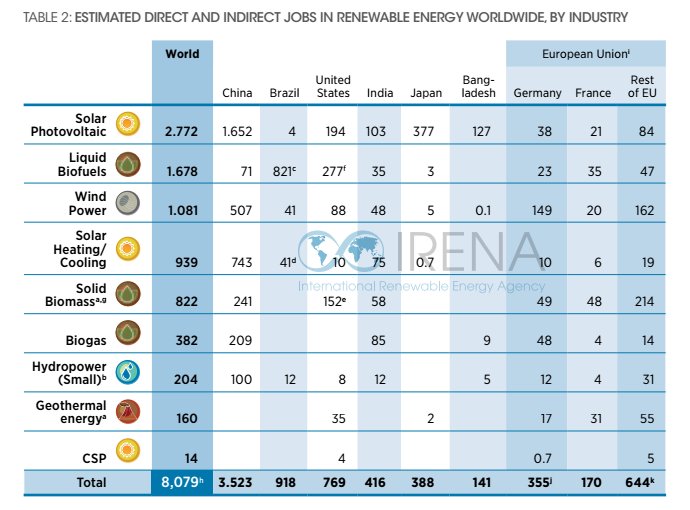
The good news is that more people worldwide are now employed in the rapidly growing renewable energy sector than oil and gas combined.  Want good, productive, useful jobs that help families and economies rebuild fiscal strength while helping the planet?  All while reducing household expenses and directing cash flow from energy savings to other critical investments?  Of course we do!!!

workers in alternative energy

Posted in Main Page | Comments Off on To stay energy superpower, Canada must shift to renewables: new report