Paul Singer, the billionaire founder of $27 billion hedge fund Elliott Management lays out the truth about the way technology and financial engineering have degraded capital markets in his fund’s latest letter. See: Paul Singer says financial innovations create unsound markets. The more people who admit and understand these issues, the less defensible current practices and policies become. And make no mistake, grotesquely enriching a few at the cost of widespread financial instability for everyone else is completely indefensible. Here is Singer:
“The fact that the ‘recovery’ after August 24th was just about as fast as the collapse should be of no comfort to those who understand that the market mechanism as currently structured and organized is unsound, with the scope and intensity of future episodes just waiting to be unlocked…
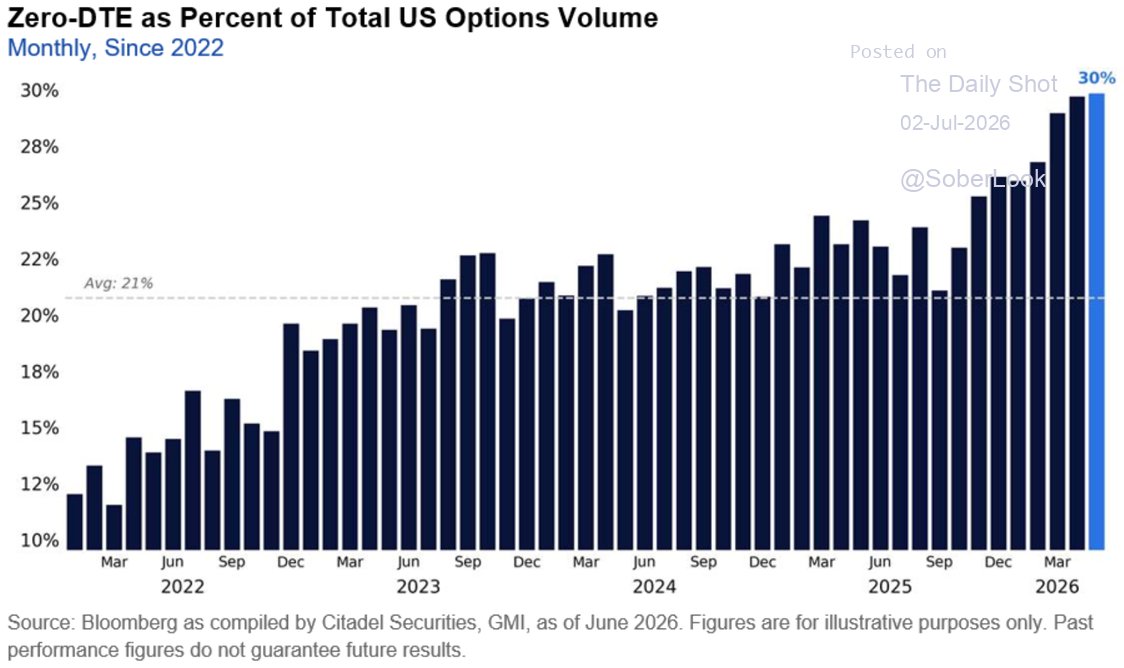
But in the realm of finance, as much as we as traders appreciate the opportunity to unpack and trade complexity in securities, structures and markets, we wonder if the overall impact of financial innovation, including derivatives, structured products, high-frequency trading and communication advances, is net negative, albeit with a possibility of long delay before the draw backs become visible.
Derivatives effectively represent borrowing and lending with much lower margin requirements than those applied to the underlying assets, thereby allowing players to hold much bigger positions (and risks) in financial assets than was ever permitted in the past. Since the real exposures of derivatives are largely obscure (if not opaque), the real levels of leverage and risk outstanding in the world are not discernible under current regulations and accounting standards.
The technology of markets, and the freedom to initiate and then cancel order within millionths of a second, is a sort of technological advancement, but we wonder about the benefit to properly functioning markets of having the freedom to squeeze a fraction of a basis point out of everyone else because one’s computers are bigger and better than others. Such trading creates the appearance of liquidity and depth, but this can, and does, vanish with no notice in a millionth of a second. Traditional structures have disappeared, including: specialists who actually made orderly markets, standing ready to buy and sell to keep markets flowing; the big financial firms as partnerships, where executives’ net worth was tied to the stability as well as profitability of the firms; the primacy and universality of margin requirements; and ‘the house’ not playing alongside its customers. In every case, these legacy structures have been replaced by less safe, less sound alternatives, enabling in general more trading with less capital and less responsibility for the stability of individual firms, let alone entire markets.”