We have driven electric cars for 8 years now, and our real-life experience confirms that EVs are safer, cleaner and much cheaper to operate than conventional ICE autos. Yes, even in cold climates. Last year, we added solar and can now self-power our cars and 75% of our annual electricity needs.
Like growing food and cultivating personal strength, there is nothing more empowering than self-powering. I am always surprised that more libertarians and others who dislike big government don’t yet seem to grasp the individual rights and freedom inherent in self-powering.
Artificial Intelligence and data centers are gobbling up energy and inflating electricity costs for everyone. The good news is that high prices are also accelerating innovation and enabling individuals to improve efficiency and take power generation into their own hands. There is nothing more democratic: inclusive, participatory, equitable, and not controlled by elites.
For years, solar power at home was mostly limited to people who owned their rooftops and could afford the steep upfront costs. But now, a new generation of small, affordable systems — often called “plug-in” solar — are making clean energy more accessible. Already widespread in Germany, the movement is gaining momentum in the United States. Laura Klivans of PBS member station KQED reports. Here is a direct video link.
Posted inMain Page|Comments Off on Nothing more empowering than self-powering
Some unexpectedly strong employment estimates from Statistics Canada last Friday caused markets to reprice abruptly, with the expectation that the Bank of Canada is done easing and will hold its policy rate steady at 2.25% through 2026.
The unexpected employment gains for November were driven entirely by survey results reporting part-time jobs (below in yellow since January 2023, courtesy of The Daily Shot), while full-time employment (in purple) fell for a second consecutive month.
In the process, Canada’s official unemployment rate (shown below since 1970) retraced to 6.5%, rather than rising to 7% as expected.In response, the Canadian dollar spiked 1% against the USD (USD/CAD below since January 2024).
At the same time, yields (Canada’s 10-yr government yield below, year to date) rose as bond and equity prices fell on the prospect of less monetary easing.
Stronger employment, even if part-time, is welcome news. The downside is that a stronger loonie makes Canadian exports less competitive, and higher yields mean borrowing costs are likely to trend up, just as borrowers and property sellers were hoping for the opposite.
Meanwhile, the cash flow squeeze is intensifying for landlords. As carrying costs tick higher, the latest report from Rentals.ca and Unrbanation today shows that asking rents in Canada were down 3.1% in November from a year earlier to an average of $2,074, marking the 14th month of annual declines and the largest drop of 2025.
By province, average apartment rents declined in every region except Saskatchewan and Nova Scotia last month, with the sharpest declines recorded in B.C. at 6.4%, Alberta at 4.3%, and Ontario at 3.5%.
There are a lot of moving parts here, and it would be better for savers if policy rates did not move lower. That said, if asset prices continue to fall, further easing from the Bank of Canada is likely to follow.
Daniel Foch offers a balanced assessment of the latest employment data and its implications in the segment below.
In this episode, we take a deep dive into Canada’s latest job report, which claims the addition of 54,000 jobs in November and a decrease in unemployment to 6.5%. Despite the positive headlines, a closer look reveals discrepancies: total hours worked barely changed, full-time jobs fell, retail jobs saw a significant drop, and youth employment carried most of the gains. We explore why payroll data contradicts the headline figures and the potential inaccuracies of the Labor Force Survey. We also discuss how the market reacts to these reports and the implications for bond yields, mortgage rates, and the Canadian economy. Join us to uncover the real story behind these seemingly puzzling job numbers. Here is a direct video link.
Posted inMain Page|Comments Off on Is the Bank of Canada done easing?
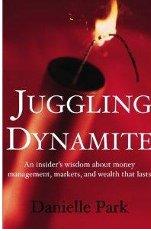
“An explosive critique about the investment industry: provocative and well worth reading.”
Financial Post
“Juggling Dynamite, #1 pick for best new books about money and markets.”
Money Sense
“Park manages to not only explain finances well for the average person, she also manages to entertain and educate while cutting through the clutter of information she knows every investor faces.”
Toronto Sun