
Follow






_________________________
Cory’s Chart Corner

In both directions. h/t @LanceRoberts
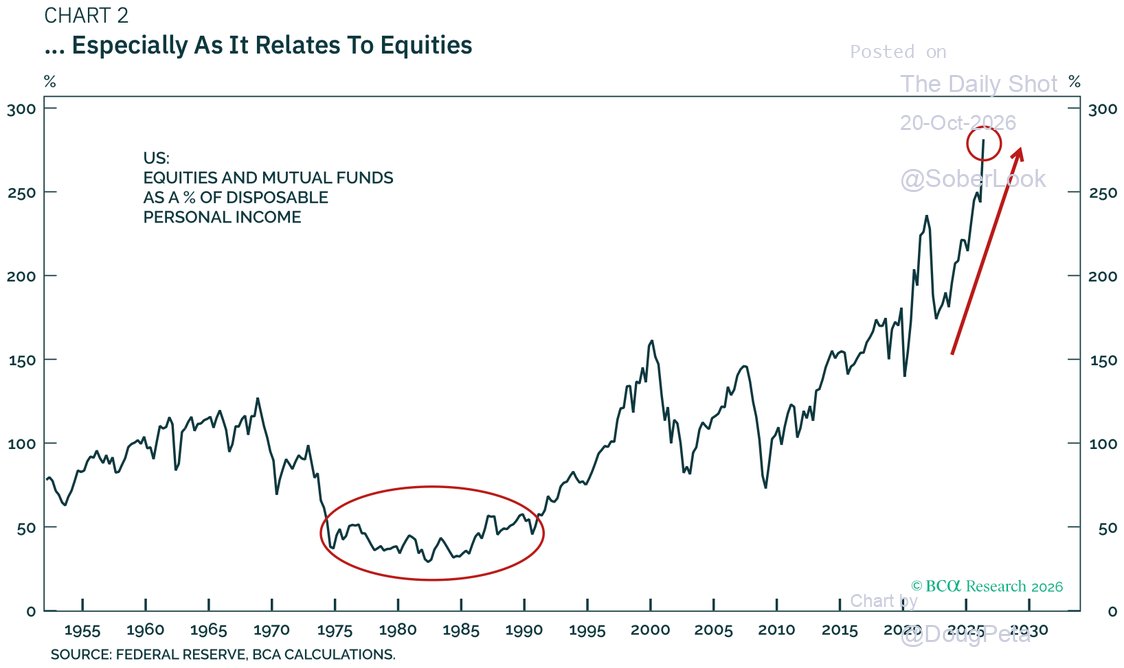
This is really pretty incredible.
US household holdings of equities and mutual funds reached a record 278% of disposable personal income in the second quarter of 2026, up from just 29% in 1982, amplifying the stock market’s influence on consumer spending and economic activity.
Danielle’s weekly market update
Danielle was a guest Friday on Talk Digital Network with Phil Mackesy talking about recent trends in the world economy and markets. You can listen to an audio clip of the segment here.
Posted in Main Page
2 Comments
Consumers are financially vulnerable and they know it
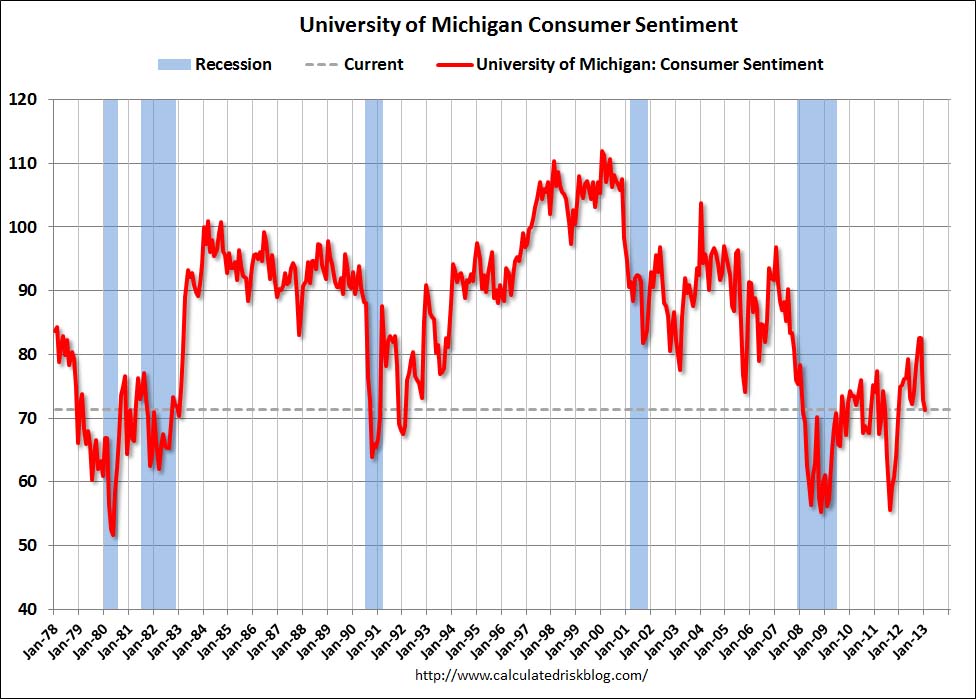
This morning the latest consumer sentiment data shows US consumers– still the relatively wealthiest consumers in the world –continue to feel pessimistic about their economic future. Sure, there have been a couple of hopeful spurts in early 2009 and 2011, but overall the chart below attests that US consumers have labored in various degrees of depressed sentiment since the heady euphoria of the late great secular bull in 2000.
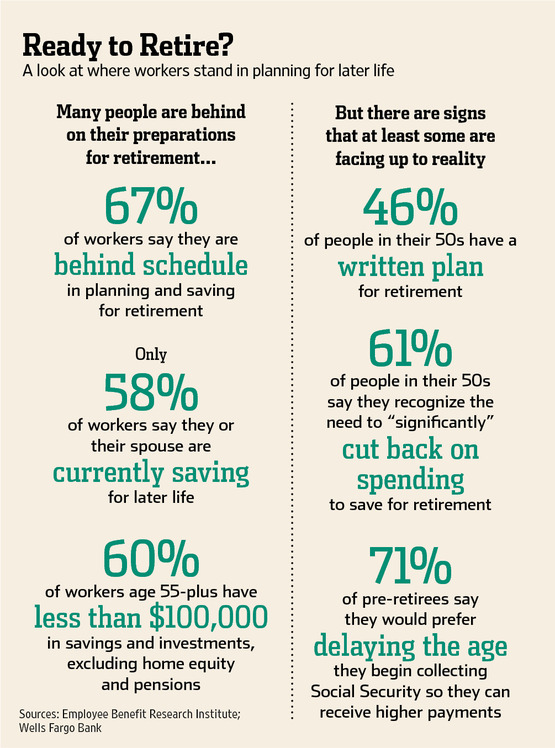
No doubt, there are some bankers and other elites who wax mystified at such trends. “Why in the world are the masses so gloomy?” they are wondering. I have a suggestion: despite the appearance of some material trappings, the masses are financially broke (physically too, but that’s another story). And for the first decade since the last two credit/housing busts in 1980 and 1990–they have come to know and feel their vulnerability. They feel it in their lack of savings, lack of cash flow, low to no home equity and lack of quick fixes. As shown in this next chart, 60% of workers aged 55 and older have less than $100,000 in liquid savings. Those under age 55 have much, much less.
Not only are people under-saved today, but the savings that they do have has earned typically negative returns now over the past 15 years, as stocks continue through a secular bear and interest rates have plunged toward the zero bound. Add under-employment and record debt levels to meager savings and we should fully comprehend why people are feeling low. All the while, marketing media taunts at every moment, about all the things we should want to consume.
There are important, life-changing lessons to be learned in all of this. Lessons about the danger of debt, and the folly of high spending rates. Lessons about the perils of ignoring this truth and placing ignorant faith in the investment sales crowd who repeatedly promise that they can magically make up for the client’s lack of savings and spending controls by plopping any savings they do have into risk “plays” at every price.
We see this today as we have seen it repeatedly since the late 90’s, as desperate people buy over-priced risk for tenuous short term “yield” in securities that are likely to come at a devastating cost to their unsuspecting capital once more.
The bottom line is this: when we do not want to accept facts before us and make prudent changes to our financial behavior as needed, then we are destined to suffer repeated harm, unless and until we do. This truth is timeless.
Posted in Main Page
5 Comments

