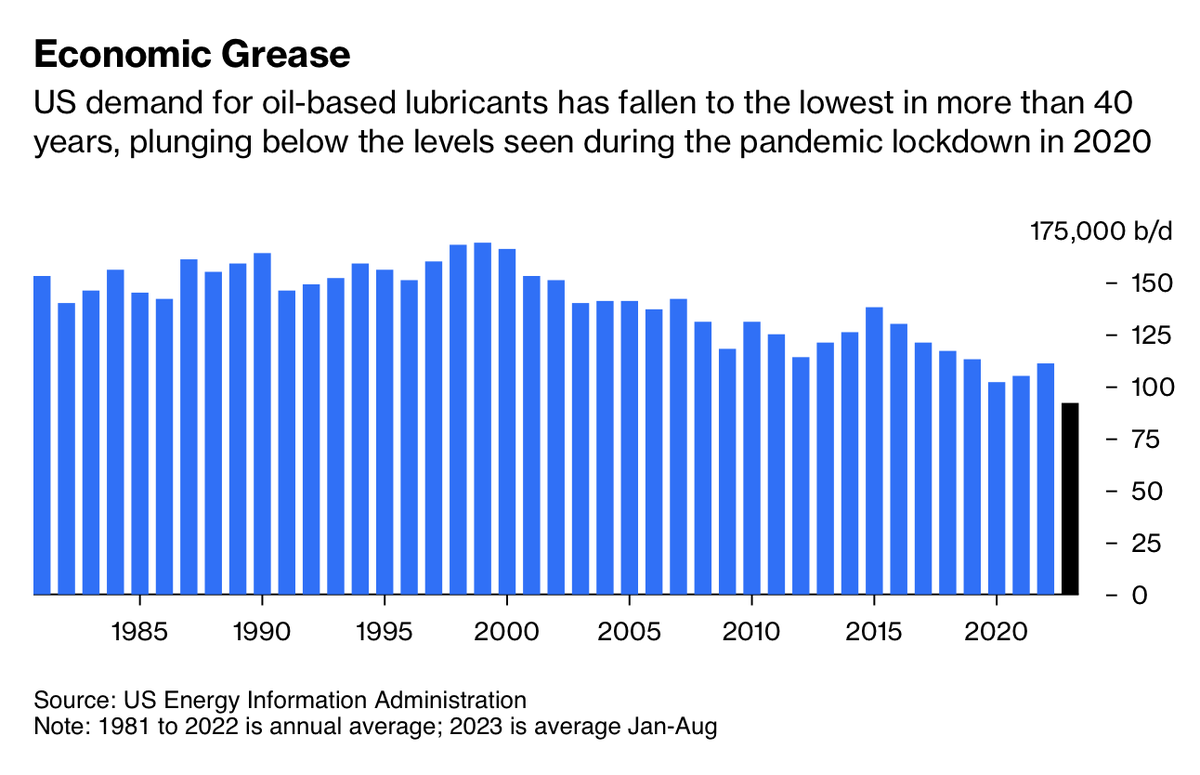
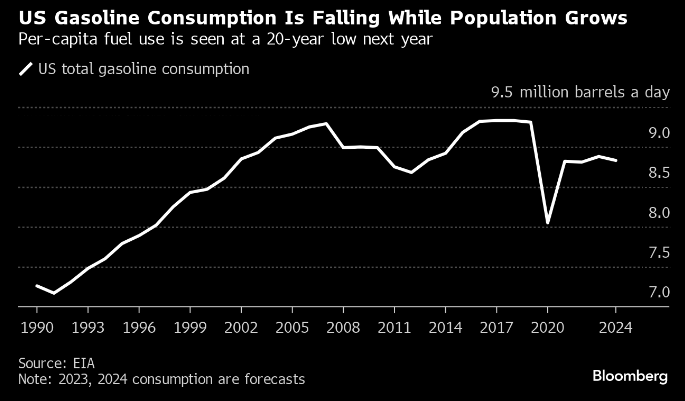
What about wealthy people not being hurt by higher debt payments? Nonsense, as usual! As financial markets tumble, luxury spending follows. The slowdown is ubiquitous, folks.
CNBC’s Robert Frank reports on spending pull backs from the luxury consumer and what it could be signaling for the economy at large. Here is a direct video link.
Bank of America’s Consumer Checkpoint Survey for September 2023 found that high-income households have become more pessimistic about the economy. The same group also appears more cautious about spending because of soft wage growth and job creation for high earners.
Watch the video below to find out more about how the so-called “richcession” could affect the entire economy.
Posted inMain Page|Comments Off on Luxury losing its luster
Hoisington Management’s Third Quarter 2023 Review and Outlook is now available. This is no sugary snack soundbite, but it’s five pages worth digesting. See Impending Recession. Here’s a taste:
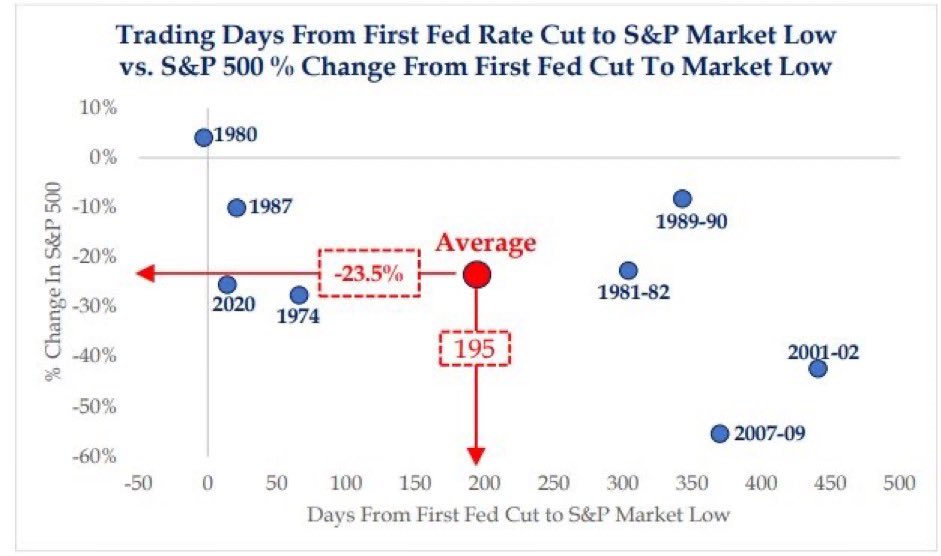
The peak in the financial cycle occurred in the fourth quarter of 2021, seven quarters ago. This is right in the middle of the five to nine-quarter average monetary policy lag since World War II.
Monetary conditions have steadily tightened through the end of the third quarter of 2023 and the process is widely expected to hold through the end of the year, and possibly even into 2024.
Historically, these more restrictive conditions will expose, through bankruptcy and liquidation, those who took excessive risk during the monetary largess of 2020 until early 2022.
Through September, the yield curve between the two- and ten-year Treasury yields has remained inverted for over twelve months. As Duke Professor Campbell Harvey’s research has shown, this barometer has, without exception, preceded each of the last eight recessions over the course of seventy years. Such developments point the economy in the direction of an economic downturn and lower inflation
Posted inMain Page|Comments Off on Hoisington Q3 Review and Outlook
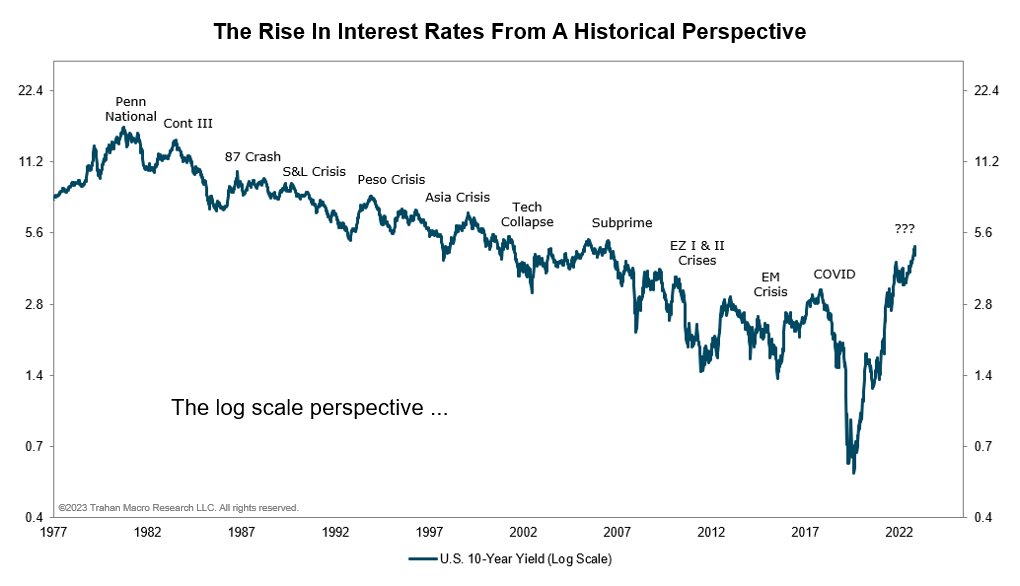
It is not just rapid hikes in the overnight rate (525 basis points in 18 months by the US Fed and 475 basis points in Canada), which are contracting credit and slowing spending through the real economy. The drop in equity and bond prices, along with the jump in fossil fuel costs and the US dollar, have tightened financial conditions the equivalent of an additional 80 basis points in the last two months alone.
US third quarter GDP (first estimate released this Thursday) was boosted by war-time style government spending, but gridlock heading into an election year makes that less likely over the next several quarters.
Canadian GDP already contracted in the first half of 2023 (-.2% annualized), and with August data due on October 31, the second half is not looking up. If the US Fed has done enough with its tightening efforts to date, the case for the Bank of Canada to be done is stronger still. No wonder the loonie has weakened against the Greenback even as oil prices bounced over the past four months.
Indeed, with defaults and bankruptcy surging through the private sector, financial tightening has already been overkill. As central banks pause, the flight to safety and hedge funds covering their shorts on Treasuries will naturally boost the buying of government bonds. This will help ease interest rate pressures, but too late to rescue highly leveraged households and companies, especially in Canada.
The segment below discusses some of these factors.
DiMartino Booth and Charles Payne Break Down the Latest Action in Bond Yields. Here is a direct video link.
Posted inMain Page|Comments Off on A case of overkill
“An explosive critique about the investment industry: provocative and well worth reading.”
Financial Post
“Juggling Dynamite, #1 pick for best new books about money and markets.”
Money Sense
“Park manages to not only explain finances well for the average person, she also manages to entertain and educate while cutting through the clutter of information she knows every investor faces.”
Toronto Sun