Eyes on the prize

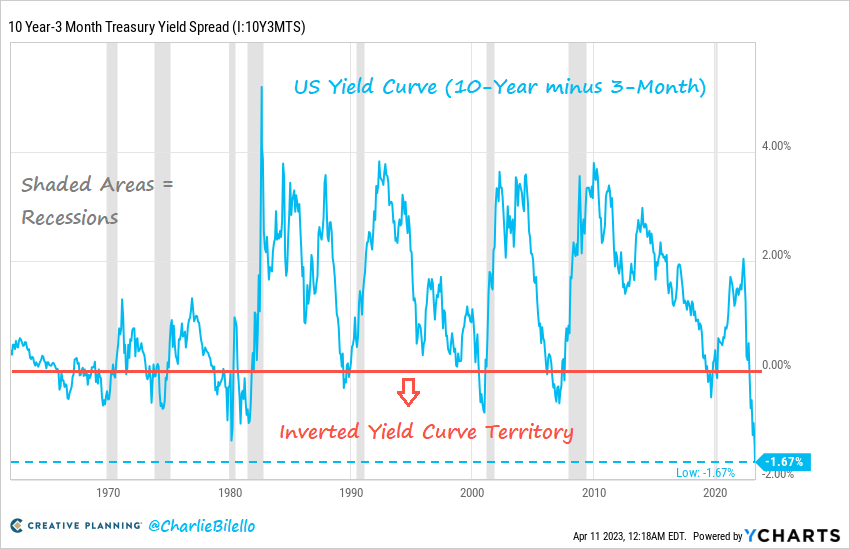
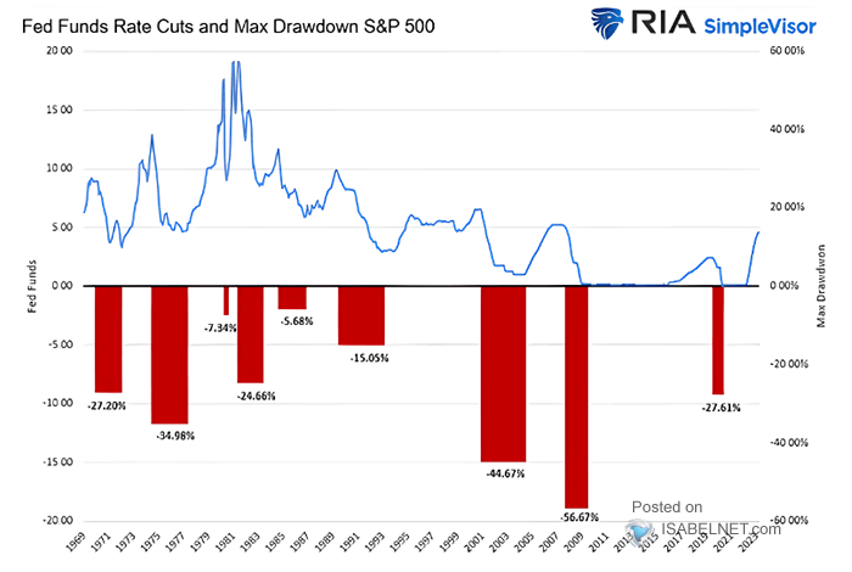
Bear markets can be psychologically trying as interim rallies may obfuscate ongoing downtrends. Markets are liquidity junkies and repeatedly anticipate that central banks will pause and return to easing credit conditions (typically a few months after a pause). As with tightening, however, the bulk of easing effects are not felt until many months after they’re implemented.

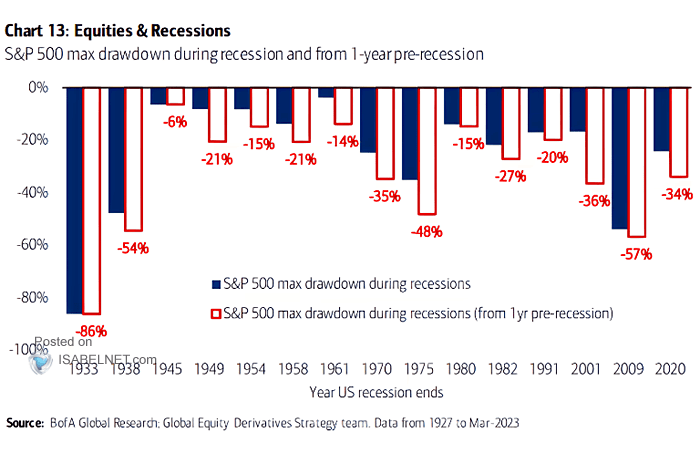
Equities historically don’t bottom until after a recession is recognized and central banks near the end of easing efforts. Amid all the daily noise, the NASDAQ is about the same level today as late 2020—27 months ago; the S&P 500 is where it was 24 months ago, and Canada’s TSX is at the same level as June 2021, 22 months ago.

Undoubtedly, central banks want inflation to fall back to their 2% target. But that does not mean they wait until it gets there before they start easing. In October 2007, credit stress caused the Fed to start easing with the inflation rate at 3.5%. When inflation reached 2% in November 2008, the funds’ rate had been cut by 425 basis points. In January 2001, inflation was at 3.7% when the Fed started to ease. When inflation fell to 2% in November 2001, the Fed had already cut 450 basis points. As usual, the year after the Fed started tightening is when panic broke loose in the economy and stock market.

The past year’s violent liquidity contraction is now compounding through the economy. US ISM manufacturing, employment and new orders, shown below since 2007, are officially in contraction (all sub 50).


Confirming the economic downturn, Treasury prices bottomed last October (yields peaked) and have risen since, with the first quarter of 2023 having the strongest government bond gains since the first quarter of 2020. The bullish Treasury trend continues today, with the Canadian 10-year yield at 2.88% from 3.77 last October and the US 10-year at 3.43 from 4.33%. As central banks move to pause and eventually start easing credit conditions again, later this year or early next, government bonds are due to rise further (their yields to fall).

The prize of investment discipline is collecting attractive cash yields and gains on the safest credits as equities, commodities, corporate debt, and real estate deflate back to lucrative entry points–always well worth the wait.

Posted in Main Page | Comments Off on Eyes on the prize

Danielle’s biweekly market update

Danielle was a guest with Jim Goddard on Talk Digital Network, discussing recent developments in the world economy and markets.

You can listen to an audio clip of the segment here.

Posted in Main Page | Comments Off on Danielle’s biweekly market update

Buybacks wobble as the cost of capital leaps

Companies pushing up share prices with buybacks (while their executives sell personal holdings into the flow) have greatly supported stock prices (and executive compensation) over the past decade. The party was planned to continue in 2023 with a record $360 billion in buybacks authorized year-to-date. But, as usual, something unexpected happened on easy money street: leaping borrowing costs, slower sales and falling profits.

We’ve long observed that companies (like households) are pro-cyclical; they buy equities the most when valuations are frothy and the least when deeply discounted.

Recent Goldman Sachs data shows that executed buybacks were -20% year-over-year in the fourth quarter of 2022. And despite record authorizations for 2023, they’re also running negative year-over-year in the first quarter. Buyback trends rise and fall with the ease of credit and typically lead capital expenditures, research and development.

The decline to date is illuminating since we are just entering the second year of this monetary tightening cycle, and it’s not until year two that the bulk of policy effects are felt. Many loans and bonds were issued with fixed terms when rates were at record lows. So, the cost of carrying those debts has yet to jump. That’s coming next.

A recent study of non-financial companies in the S&P 500 found that the weighted average interest rate on their debt was 2.65%, much lower than companies have paid historically and a fraction of what they can borrow at today.

A higher cost of capital is better for encouraging efficiency, sober risk management and smarter allocation decisions, but it will be hard on profits and lofty asset valuations first. See, WSJ, Higher rates are coming for US companies:

In 1990, Federal Reserve data show that the interest paid by nonfinancial corporate businesses as a share of their outstanding debt, a proxy for the average interest rates they were paying, came to 13.3%. By 2021—the last year with available data—that had fallen to 3.6%, marking the lowest level since the late 1950s. Over the same period, long-term yields on Baa-rated corporate debt fell from 10.4% to 3.4%, according to Moody’s.

…So companies could have some difficult choices to make in the years ahead. Some will likely decide to reduce their debt loads, choosing either to curtail investment and expansion efforts, or to finance those efforts by other means, such as issuing equity. Others will refinance their maturing debt at higher rates, with higher borrowing costs weighing on earnings as a result. Neither of those possibilities seem all that pleasing to stock investors.

Posted in Main Page | Comments Off on Buybacks wobble as the cost of capital leaps