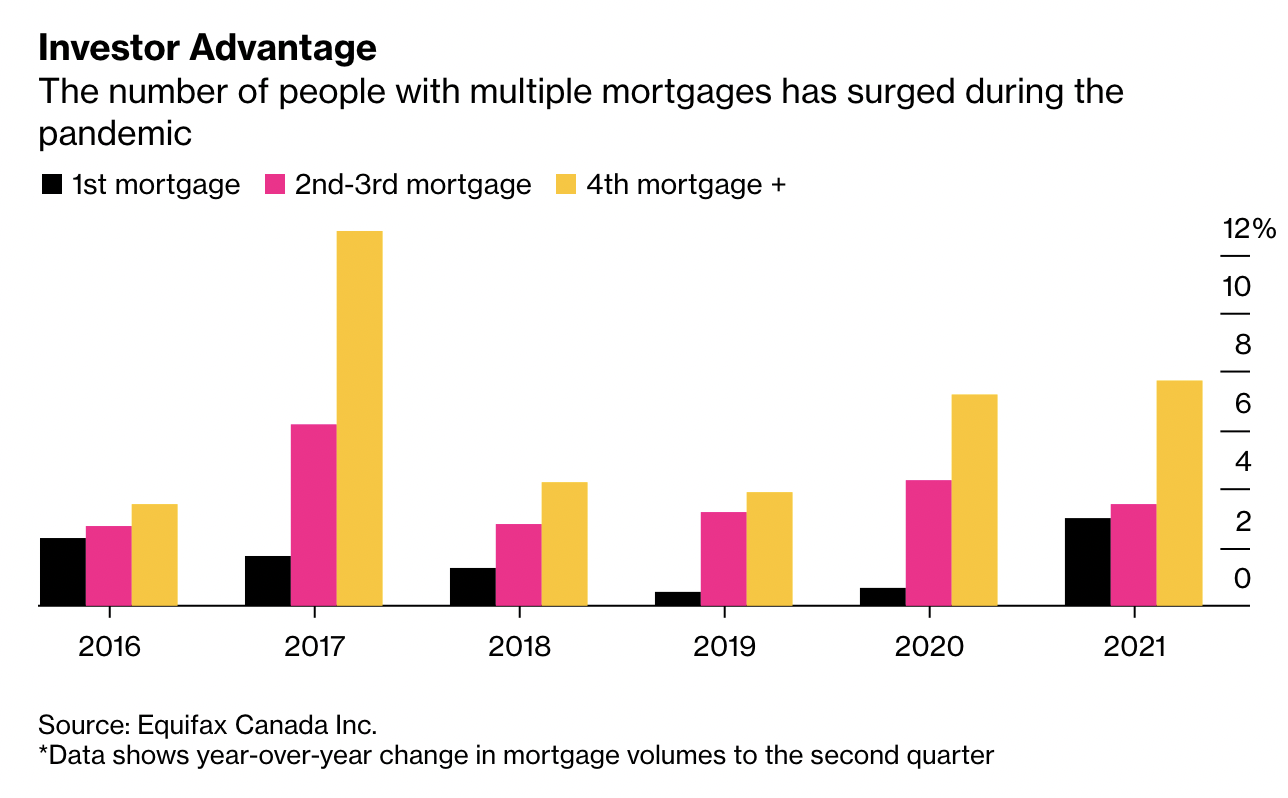
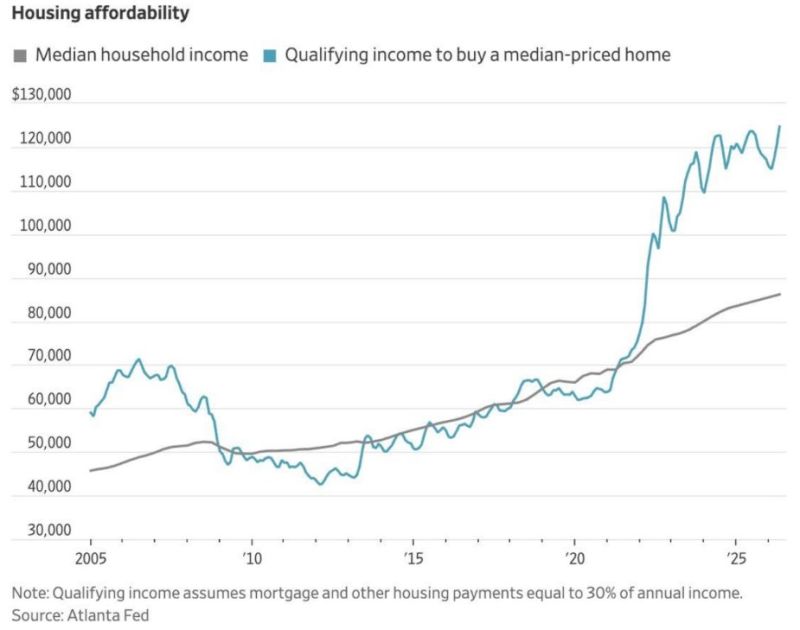
“In 2021, the crazy is alive and well in the private and the public markets.”

This weekend brought some excellent market perspective in the Globe read The Death of Profit:  Why investing feels broken and markets no longer make sense.  Here’s a taste:

It’s now not only acceptable for a company to bleed money as it acquires or spends heavily to achieve scale; it’s actually encouraged. Investors are so taken with the prospect of technological revolution that private backers are stretching the limits of reasonable investments and valuations – a mindset that’s also bleeding into public markets. “We’ve completely normalized this concept of no profit,” says Mr. Brown.

This is all extremely devastating for legitimate, responsibly-run competitors who are being undercut into oblivion by weaker businesses with access to indiscriminate capital:

“The amount of capital out there has made it acceptable to lose money for a longer period of time, in the hopes that eventually you tip the market and become a near monopolist, or at least a duopoly,” says Martin Kenney, a professor at the University of California, Davis. Prof. Kenney first wrote a comprehensive paper on the trend in 2018, with co-author John Zysman, called Unicorns, Cheshire cats, and the new dilemmas of entrepreneurial finance. In it, they noted that more and more startups were undercutting incumbents and other rivals on price and service because they were backed by billions of dollars worth of private capital that plugged their annual holes.

…With funding rounds flowing like water, valuations are soaring. It used to be that unicorns, or startups worth US$1-billion or more, were rare and therefore idolized. But since the start of the pandemic, at least 14 Canadian companies have attained that status, including FreshBooks, Clio and Benevity. Toronto-based fintech Wealthsimple recently raised its second round of capital in just seven months, boosting its paper valuation more than three-fold, to $5-billion – even though it has struggled to make money.

And then there are the retail participants who have borrowed record amounts to magnify their exposure to irrational, uneconomical security prices.

Thank you, easy money! Our economic tab for this destructive madness will be expensive indeed.

Posted in Main Page | Comments Off on “In 2021, the crazy is alive and well in the private and the public markets.”

The Great Disruption – Rethinking Energy, Transportation, Food & Agriculture

Over the next eight years, simultaneous disruptions will transform the energy, transportation and food production industries all at once.  This has massive implications for the world and especially for resource and auto-centric economies like Canada!  This recent update from ReThinkx founder Tony Seba is worth the time.  The precision fermentation revolution that is already transforming food production starts at 45 minutes on the play bar.

Virtual presentation to the Council of State Governments on the occasion of the CSG East 2021 Annual Meeting.  Here is a direct video link.

Posted in Main Page | Comments Off on The Great Disruption – Rethinking Energy, Transportation, Food & Agriculture

EVs entering mass adoption because they are better

As with all new technological upheavals, adoption starts slowly until an inflection point is reached and mass adoption moves rapidly through the population (aka S curve).  Electric vehicles are now entering mass adoption because they are better than ICE vehicles.  No one who goes electric wants to go back to dirty, more expensive to operate and maintain gas-guzzling vehicles.

Automakers, consumers, suppliers, gas station managers and governments, who aren’t preparing for this reality will be caught offside.

This year, fourteen of the top fifteen selling cars in Norway are all-electric.  See Norway bans gas cars in 2025.  But trends point to 100% EV sales as early as April.:

Norway is ahead of the game in EV sales, with gasoline’s share of the new car market vanishing more and more every month, faster than almost anyone outside of Electrek‘s Slack channel could have predicted. This has led Norway to have the earliest target for the phaseout of new gas vehicle sales in the world – 2025.

But gas cars might not even last that long. According to an analysis printed by the Norwegian Automobile Federation’s magazine, Motor, the downward trend in sales for gas cars has been so consistent and steep that the last new gas car sale in Norway could happen just seven months from now, in April 2022.

Also, see Air Pollution endangers billions, but a handful of technologies can make air clean again this decade.

Posted in Main Page | Comments Off on EVs entering mass adoption because they are better