Danielle was a guest with Jim Goddard on Talk Digital Network, talking about recent developments in global markets and the economy. You can listen to an audio clip of the segment here.
Follow






_________________________
Danielle was a guest with Jim Goddard on Talk Digital Network, talking about recent developments in global markets and the economy. You can listen to an audio clip of the segment here.
John McAfee sold his namesake antivirus software company in the 1990s for more than $100 million, followed by a series of bad financial decisions. Most recently, he was prosecuted for tax evasion and cryptocurrency pump and dump schemes. The story offers a glimpse at the predatory actions threatening believers today. See John McAfee found dead in Spanish Jail:
Mr. McAfee earned millions promoting cryptocurrencies, charging speaking fees and providing consulting services, but failed to pay taxes on this income, federal prosecutors say. Authorities accused him of failing to file tax returns between 2014 and 2018 and avoiding taxes by naming other people as the owners of his assets in cryptocurrency accounts, real estate and even a yacht.
In March, federal prosecutors in New York charged Mr. McAfee with fraud saying he deceptively promoted cryptocurrencies via his Twitter account. Mr. McAfee and his associates made more than $2 million via a “pump-and-dump” scheme, where they promoted a dozen little-known cryptocurrencies on Twitter, then dumped the assets once their value had increased, prosecutors said.
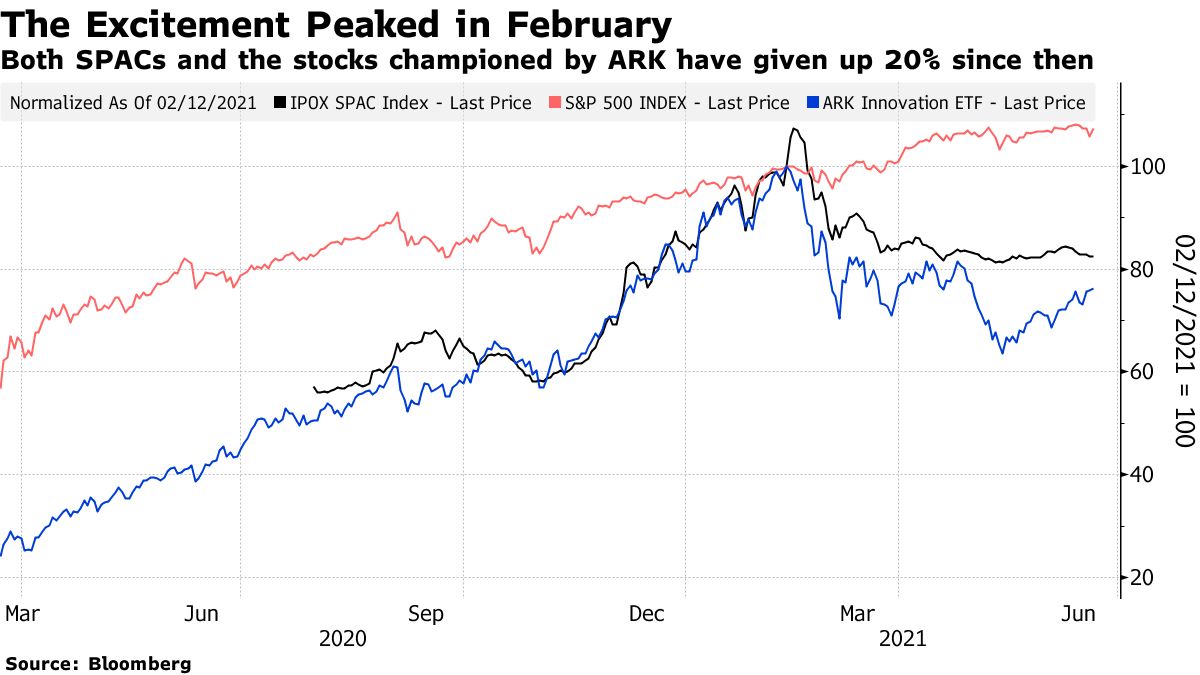
Sixty-year market veteran and co-founder of Boston-based GMO did a lengthy interview with John Authers for Bloomberg this week. It’s worth a read here. I include some highlights and charts below:
“The last 12 months have been a classic finale to an 11-year bull market,” Grantham said. “Checking all the necessary boxes of a speculative peak, the U.S. market was entitled historically to start unravelling any time after January this year.”
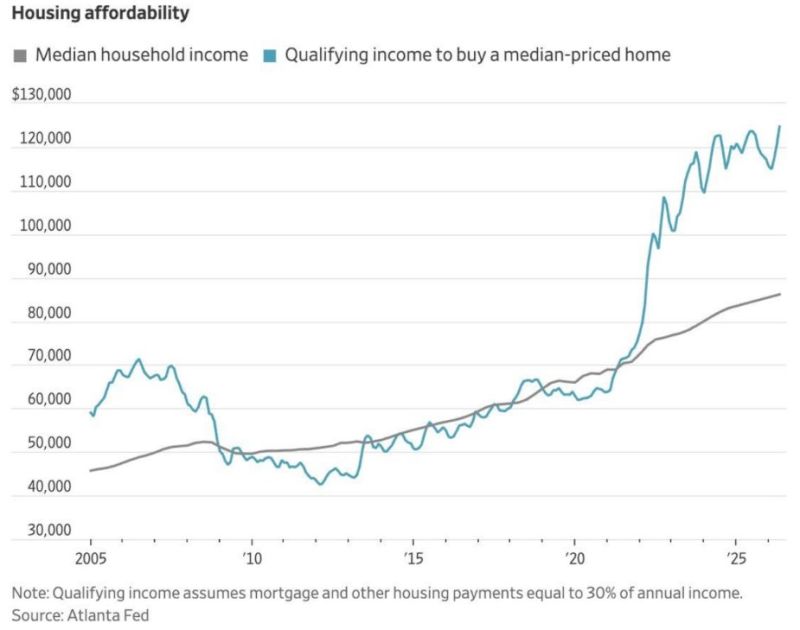
…It’s particularly dangerous now because the bond, stock and real estate markets are all inflated together, Grantham added, noting that even commodity prices are surging.
“That trifecta-and-a-half has never happened before anywhere — the closest before was Japan in 1989,” he said. “The consequences for the economy were dire and neither land nor stocks have yet returned to their 1989 peaks!”
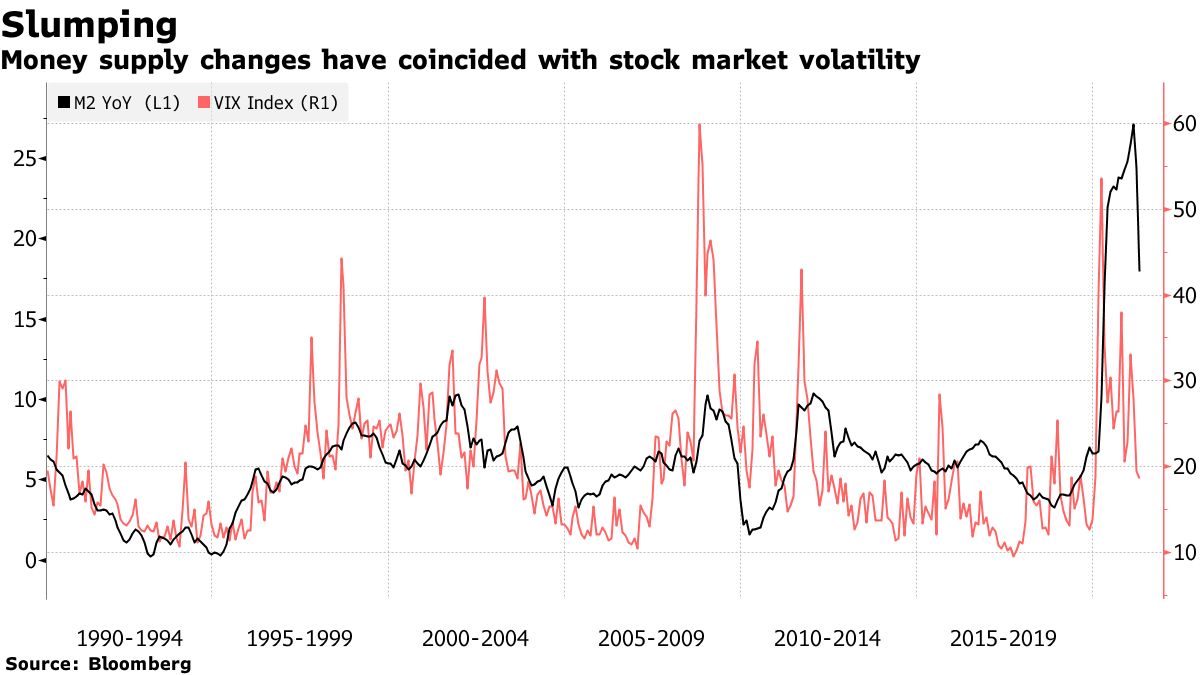
…On the subject of liquidity, which bulls have argued is a reason why there’s more room to rally, Grantham said although the rate of increase in M2 is extremely high, its growth has declined in recent weeks at the fastest rate ever recorded, from about 18% year-over-year to 12% (see chart).
…For the great bubbles by scale and significance, we also noticed that they all accelerated late in the game and had psychological measures that could not be missed by ordinary investors. (Economists are a different matter.) The data, like today, is always clear, just uncommercial and inconvenient for the investment industry and often psychologically impossible to see for many individuals.”
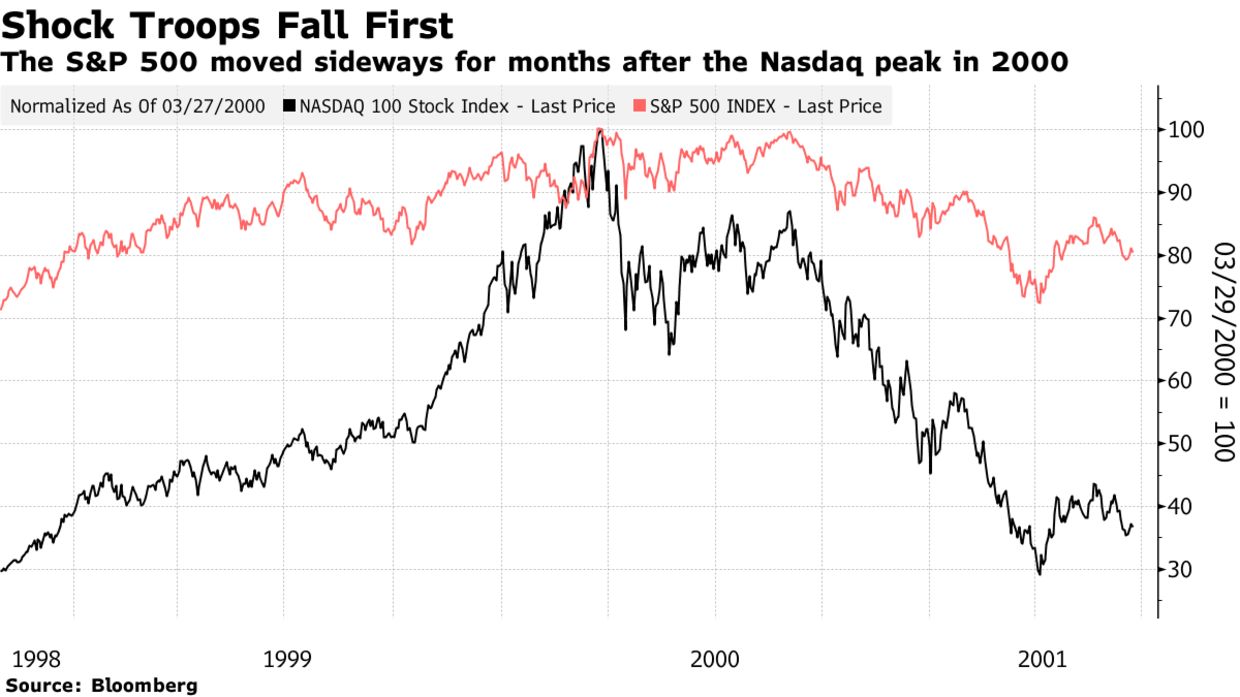
Grantham points out that the tech-centric NASDAQ Index (shown below in black) doubled in 1999 before turning down in March of 2000 while the broader market (in red) held up for another quarter before breaking down.
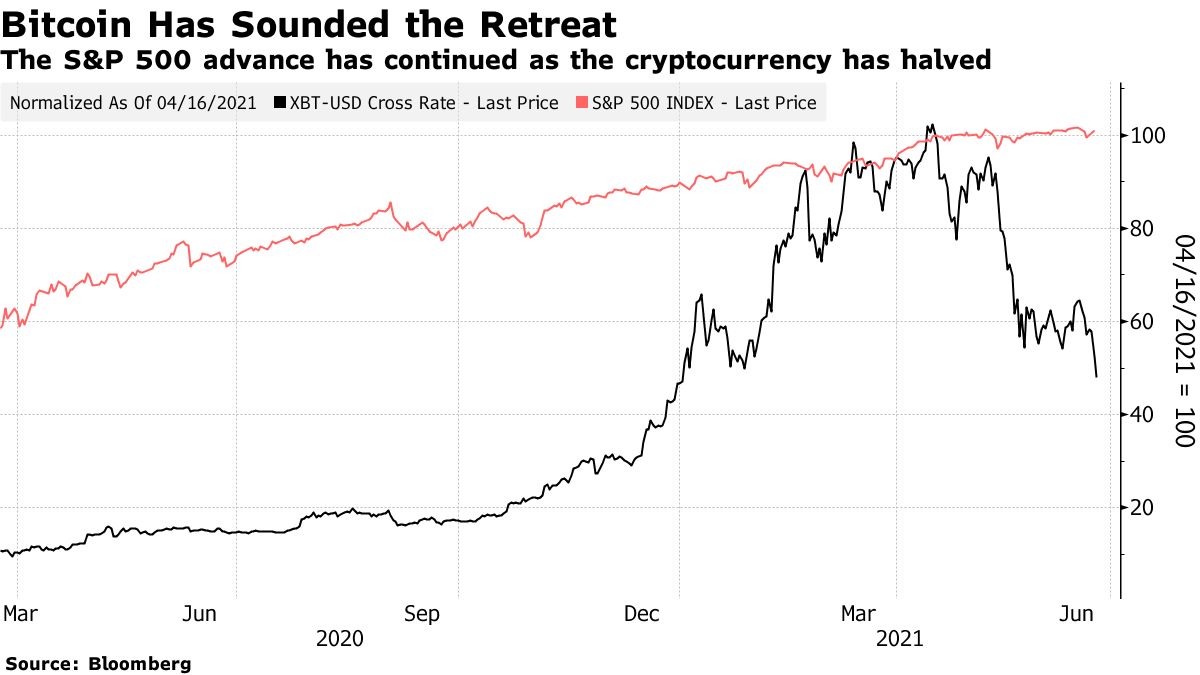
He sees something potentially similar in how SPACs, cryptocurrencies and some other high fliers have dived since March 2021, while broad markets have moved sideways.