Low-interest rates can be a huge help in getting out of debt faster. Unfortunately, many people make the opposite choice and use low rates as an opportunity to increase debt and delay its repayment. Case in point, after forty years of falling interest rates, the world is more indebted today than at any other time in history.
Self-serving financial services often encourage this by recommending that people direct any excess cash into fee-generating products rather than retiring debt. Because of these financially destructive human tendencies, the cure for too much debt is actually higher interest rates because they drive debt reduction through repayment incentives and insolvency filings.
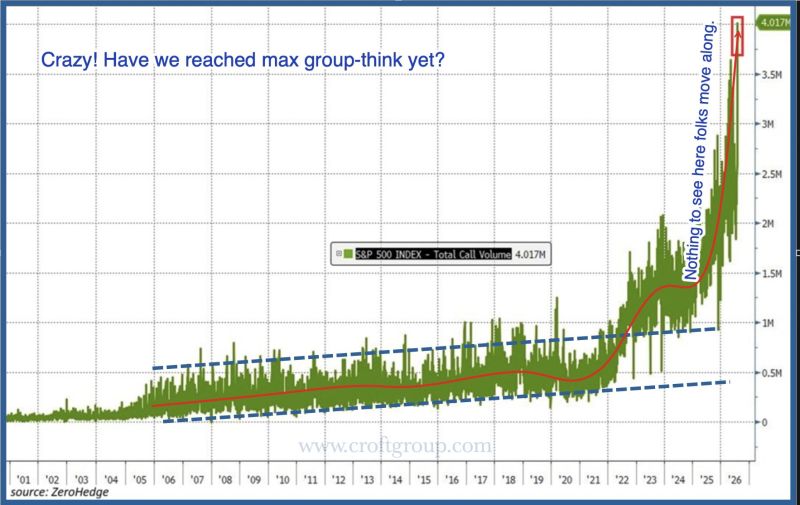
Indebted, under-saved people gambling in financial markets to try and win their way to solvency have a high probability of leaving most farther behind. They might as well be buying lottery tickets.
Many now assume that debt is going to be with them for the rest of their life. This will reduce saving ability and prospects for financial stability indefinitely. The story below is the epitome of the mess now at hand, see: Low rates and tax deductibility prompt some to invest rather than pay down student loans. The fact that tax dollars are subsidizing financial speculation is a self-defeating malinvestment of scarce resources:
“What I’ve come to realize is I have enough of an investment that if my investment does better than about 4.5 per cent right now, that it actually makes more sense long-term for me to invest into that,” said Gubert, who is in her twenties and lives and works in downtown Toronto.
She’s now adding more funds each month into a tax-free savings account, after she previously tried to pay off as much of her loan as possible through a second job in the restaurant industry before the pandemic.
“The student loan is going to be there forever and the interest is tax deductible, but you don’t have forever to start your nest egg,” she said.
Gubert’s new strategy comes as the federal government announced that the interest rate on the federal portion of student loans will be frozen at 0 per cent until 2023, which some financial planners say could be an opportunity for young Canadians to look at diverting money into long-term saving plans for things like retirement.