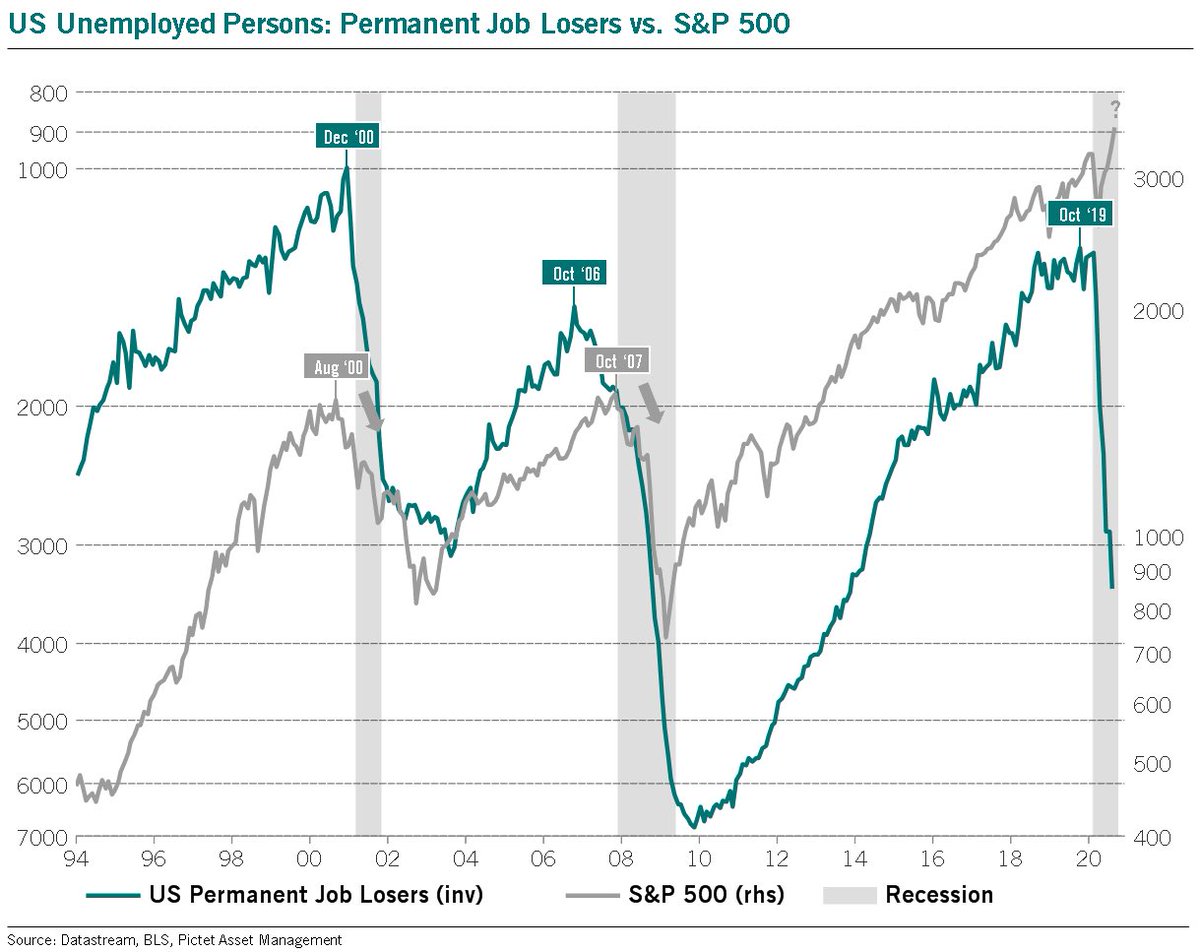
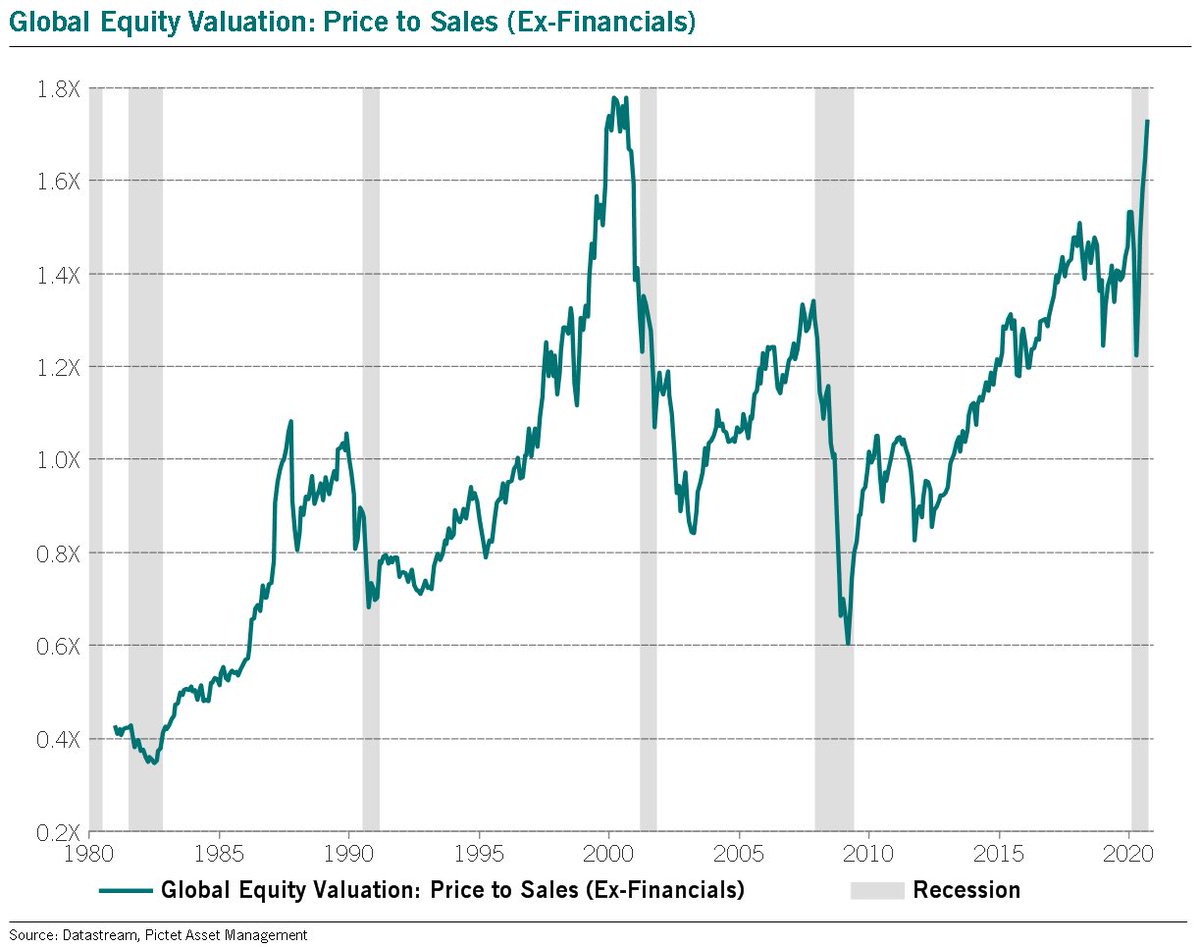
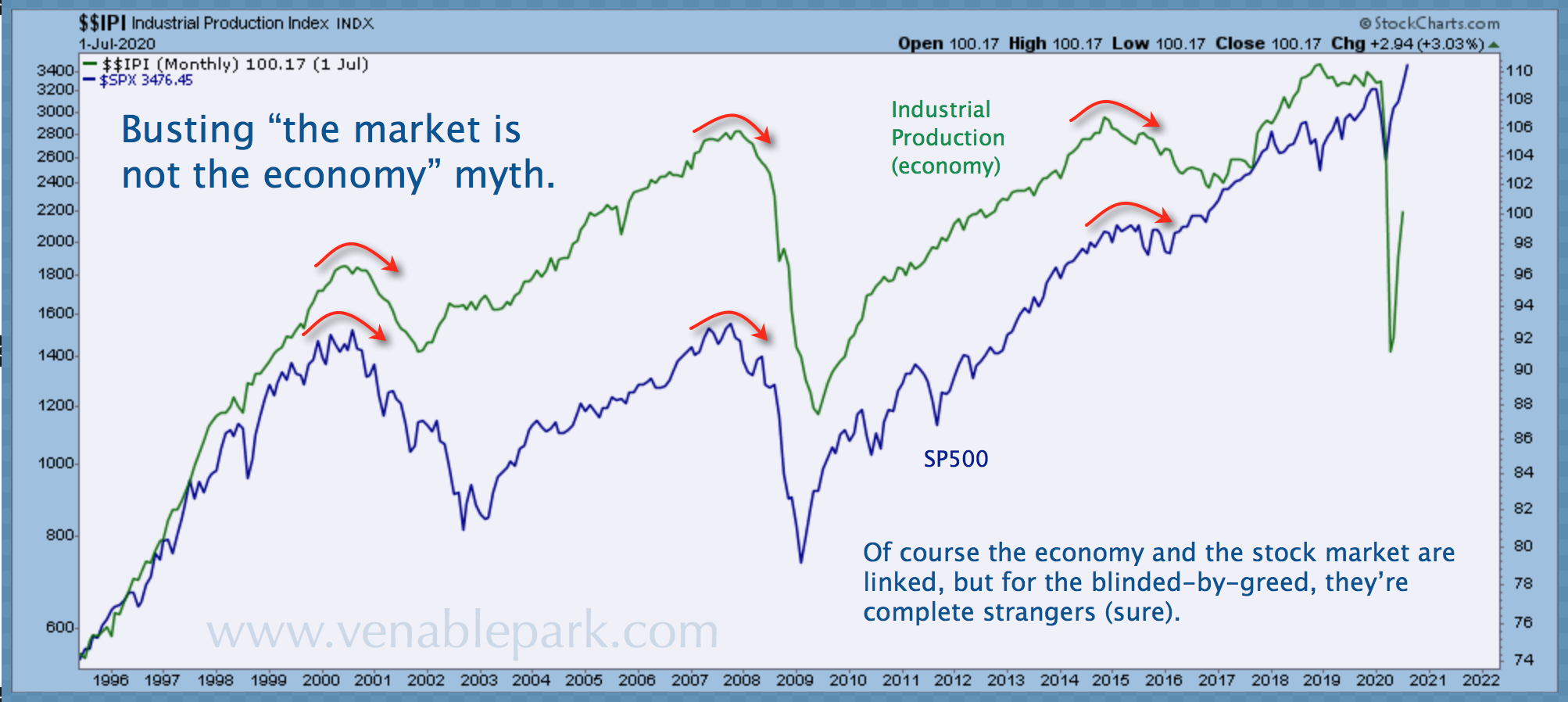
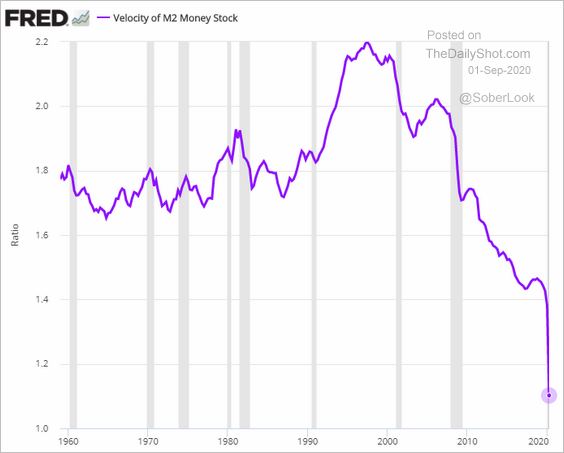
The COVD-19 shock is unfolding in phases. The first was the global shutdown and market collapse into the end of the first quarter. The second was a bounce in economic data and asset prices into the summer as central banks and governments unleashed monetary and fiscal support and businesses reopened. The third, now unfolding, is where emergency support proves insufficient to replace lost revenue, avoid permanent business closures and job loss, bankruptcies, a cash crunch and ongoing liquidation cycle for many assets.
This is no longer about short-term coping strategies. In a world where 2019-level spending is not returning any time soon, cost-cutting is a necessity with legs.
The last few months have shown a lot of companies they can work more efficiently with fewer employees, less travel and staff working from home. The next layer of this is a downsizing of management teams along with bricks and mortar workspaces. See Wolf Richter’s Second wave of layoffs is here. Now hitting well-paying jobs for a good update.
Facebook, Apple and Twitter and many large financial companies have all indicated work-from-home may extend far into the future, with much of their workforce staying remote indefinitely. The Times reported yesterday that oil giant BP plans to sell its central London headquarters that housed 6500 workers as it cuts jobs and adopts flexible working.
When a company like Pinterest pays $89 million in order to exit a lease for 490,000-square-feet of state-of-the-art office space in San Fransisco, we have a sense of the overhead savings on offer, and not just for companies.
In an anonymous survey of 4,400 tech workers, two-thirds of San Fransisco respondents said they would consider leaving the region permanently if allowed to work from home. Other centers with sky-high housing and commercial space also face a growing exodus.
Of course, what happens in business, employment and real estate has broad implications for lenders and investors who, as shown below, have gone neck high into increasingly more dangerous levels of leverage and securities based on presumptions of ever-escalating property markets and demand.
Conditions for the next financial tsunami are ripe, see Pandemic exposes ‘severe stress’ in commercial property financing:
 “…not only emblematic of the severity of the crisis emerging for the hotel industry but also of the pressure building across the commercial real estate sector — from small-town malls to sky-high office blocks — hitting one of its primary sources of financing: the $1.4tn market for commercial mortgage-backed securities”.