I learned what not to do with money when I was 35–the hard way. I wrote about this in my book Juggling Dynamite. Graduate degrees in business and finance didn’t teach it to me, loss did. The experience was gut-wrenching and anxiety-producing and absolutely the best thing that ever happened to me. In the 20 years since, the lessons learned and principles developed have helped not just our family to financial strength, but also thousands of readers, listeners and clients.
As painful as money lessons tend to be, it is essential that we learn them and stop repeating classic errors. Windfalls, inheritance and big incomes can give the appearance of financial acumen for a time, but ultimately it is what we choose to do with the money that defines outcomes. The later in life that we come to wise decisions the more we will have wasted, and the less time and opportunity we will have to make up for that.
Today, there are a great many people in their 50’s and older that are still immersed in debt and wagering what savings they do have on speculative financial products in an effort to win money or appear wealthier than they are. These actions are self-defeating.
The great news is that we are not helpless. Sound financial management is just a collection of habits and choices that we can cultivate and propagate by example. It does require us to admit our mistakes though, and sharing them openly with others is a generous public service. For a worthwhile read that you can pass along see What the Forced Sale of my BMW can teach you about money:
I fell for the lie of the BMW ad. I thought I needed a luxury car to prove something to people about the success of my business.
The car made me feel good, but it was a lie. I bought the car on finance because I hadn’t earned the money to pay for it, yet. The allure of flashy brands and possessions is that it shows what you have achieved. But the whole world doesn’t need to know what you’ve achieved.
It’s fine to be a millionaire and drive a Toyota Corolla.
Your financial situation is not represented by the flashy stuff you own. In fact, the more flashy stuff a person appears to own, the less financially wealthy they probably are.

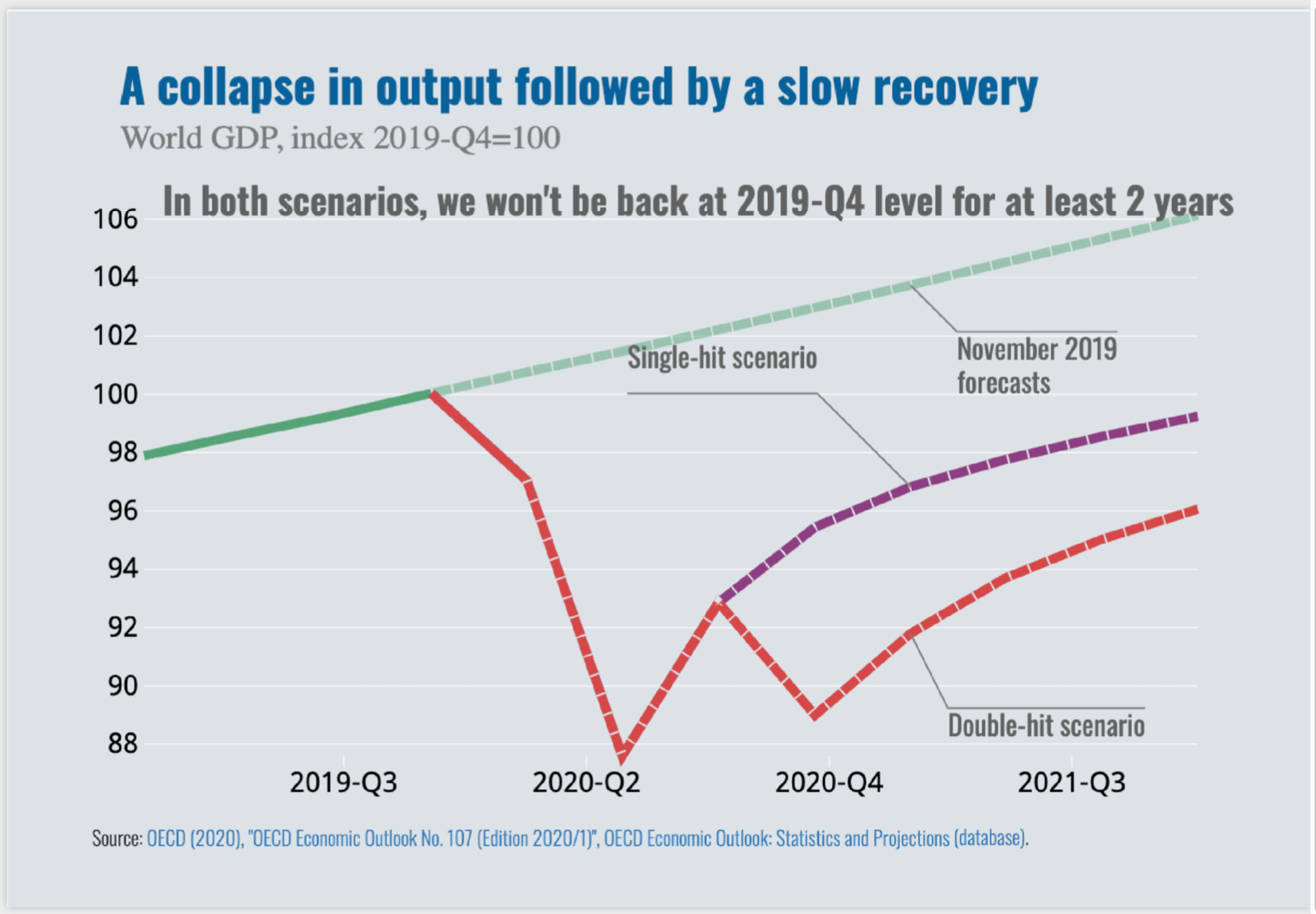 This 2.5-minute video report offers further detail on individual countries.