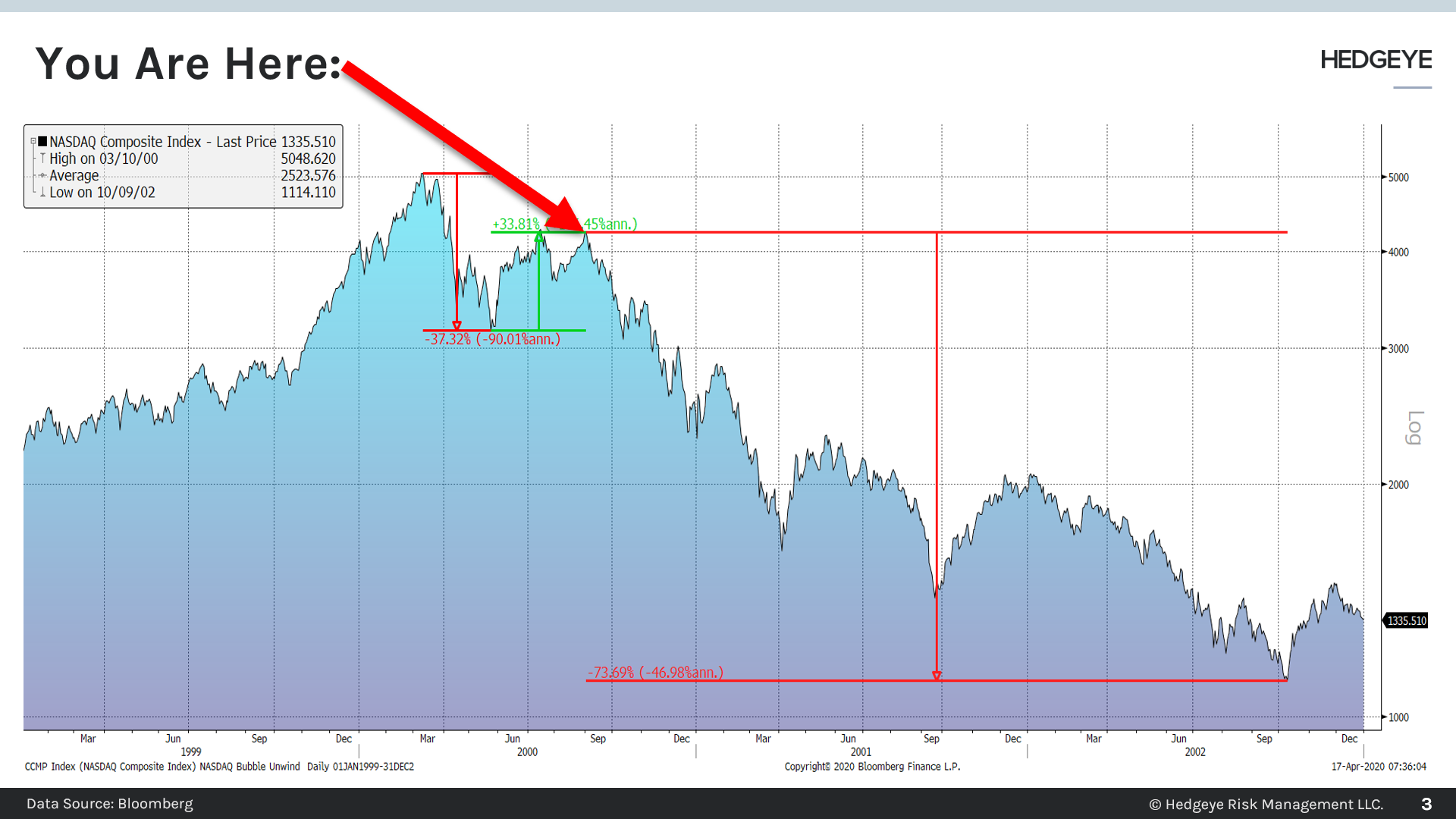
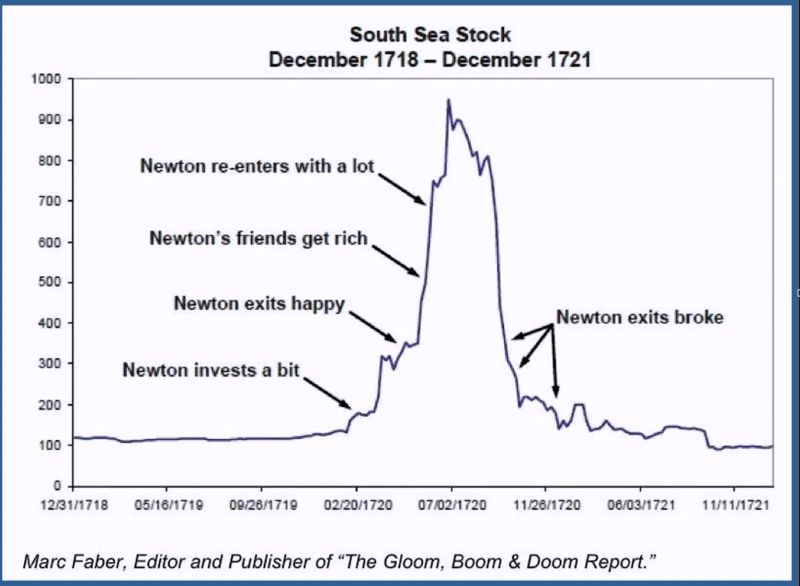
Conventional economic theory assumes that households and businesses will always borrow when credit is made available and they have the cash flow to service debt. As debt levels expand asset prices and economic activity rise along for the ride. But once an economic shock hits, financial bubbles burst, asset prices plunge and debt levels become a crushing weight. In this environment, financial vulnerability is writ large and priorities shift to selling assets and reducing expenditures in order to pay down debt and repair balance sheets.
This behaviour shift dominated developed economies after the financial crash of 1929 and in Japan after 1989. It began happening after the 2008 collapse as well until government bailouts and extraordinary central bank interventions managed to reinflate debt appetite and levered risk-taking in the private sector once more. This enabled debt and asset valuations to record highs worldwide.
Finally, the 2020 income shock and plunge in asset prices have revealed our epic financial vulnerability once more. Corporations and households are now motivated to use excess cash to pay down debt and rebuild liquid savings. This will be constructive on an individual level but detract from corporate earnings and discretionary spending. Moreover, if history is a guide, this new preoccupation is likely to last for years and have deflationary implications for asset prices and the economy.
Nomura economist Richard Koo coined the phrase ‘balance sheet recession’ for this deleveraging process in his 2003 book Balance Sheet Recession: Japan’s Struggle with Uncharted Economics and its Global Implications and other books and interviews since. He points out that Japan’s experience is a cautionary tale for other countries on why balance sheet recessions are different and longer-lasting than traditional recessions.
Koo explained in this April 2010 interview, here is a direct video link.
Koo discussed the implications in the 2015 interview below. Here is a direct video link
And most recently in this December 11, 2019 discussion at the French Japanese Business Summit. Here is a direct video link.