Now that poorer countries are rejecting incoming garbage shipments from wealthier nations and waste is mounding and washing up all around the world, awareness is finally spreading that less than 10% of the plastic generated each year is actually ever recycled, with the rest sent to landfill, burned, and dumped into lakes, rivers and oceans.
Not surprisingly, mental health experts are reporting spreading ‘eco-anxiety’ stemming from worry about the future as well as trauma for those experiencing climate catastrophes like flooding and hurricanes. See How the mental health community is bracing for the impact of climate change:
A Yale survey in December found nearly 70 percent of Americans are “worried” about climate change, 29 percent are “very worried” — up eight percentage points from just six months earlier — and 51 percent said they felt “helpless.”
Grieving is one thing, but giving up is another. “In order to productively be with this information, someone has to feel as though they can do something about it,” Lewis says. She’s concerned the deluge of media coverage on the climate has people focusing so much on impending doom that they may become paralyzed, in-denial or cynical. “It’s easy for someone to think that by giving up they’re being realistic, but that’s the opposite of what’s true,” she says. “Giving up is denying the reality of one’s own agency and one’s ability to affect change.” Instead, she wants patients to take action, and to do it with other people. “A group can hold that anxiety better,” she says. “It’s too big for an individual to hold on their own.”
Solutions include individual awareness and responsibility, including rejection of non-biodegradable packaging by consumers, along with government bans and transferring the financial burden for collecting and reusing non-biodegradable packaging onto its producers.
Corporate profits have enjoyed a record boom in the past decade largely due to massive government subsidies (funded by taxpayers and public debt) and a lack of corporate responsibility for the catastrophic harm their operations are inflicting on our air and water systems. This must change now, of necessity. See Ontario moves to transfer recycling costs from cities to waste-producing companies.
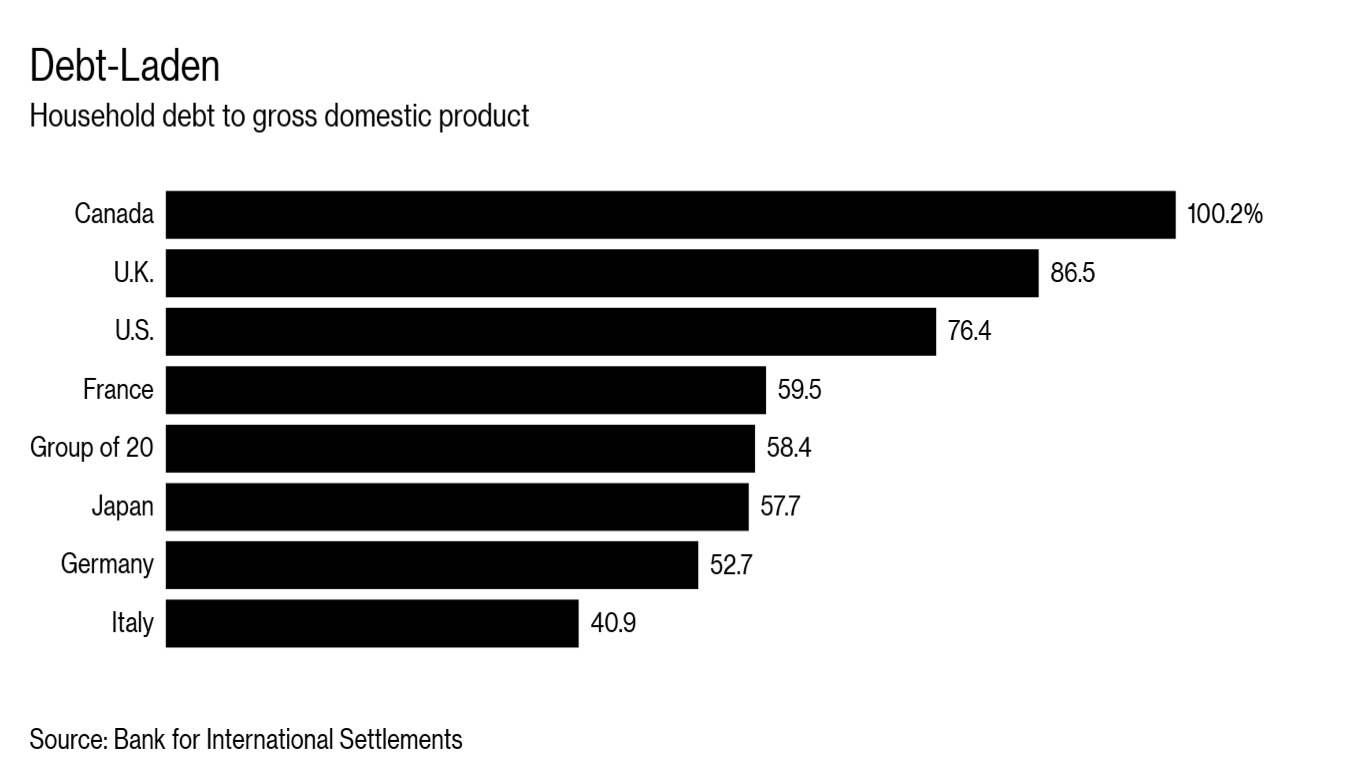
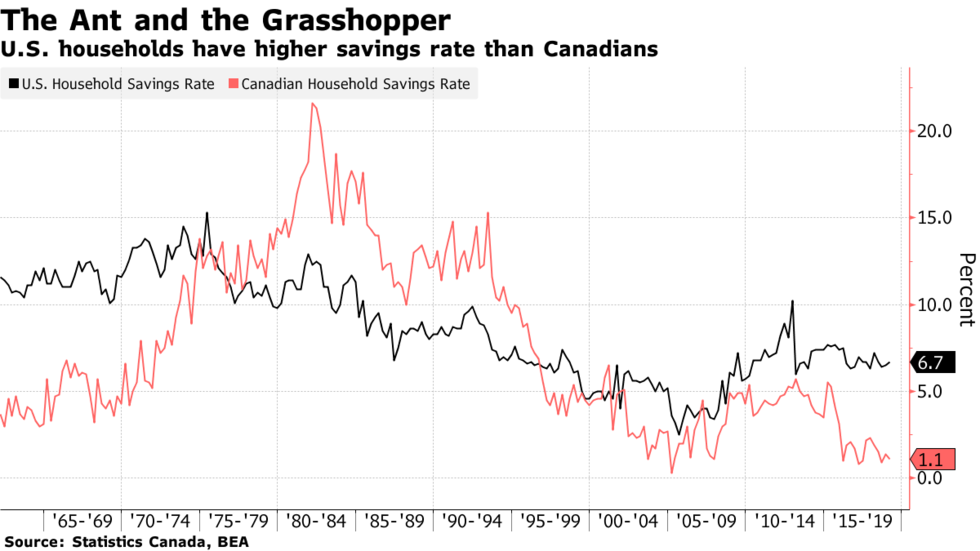
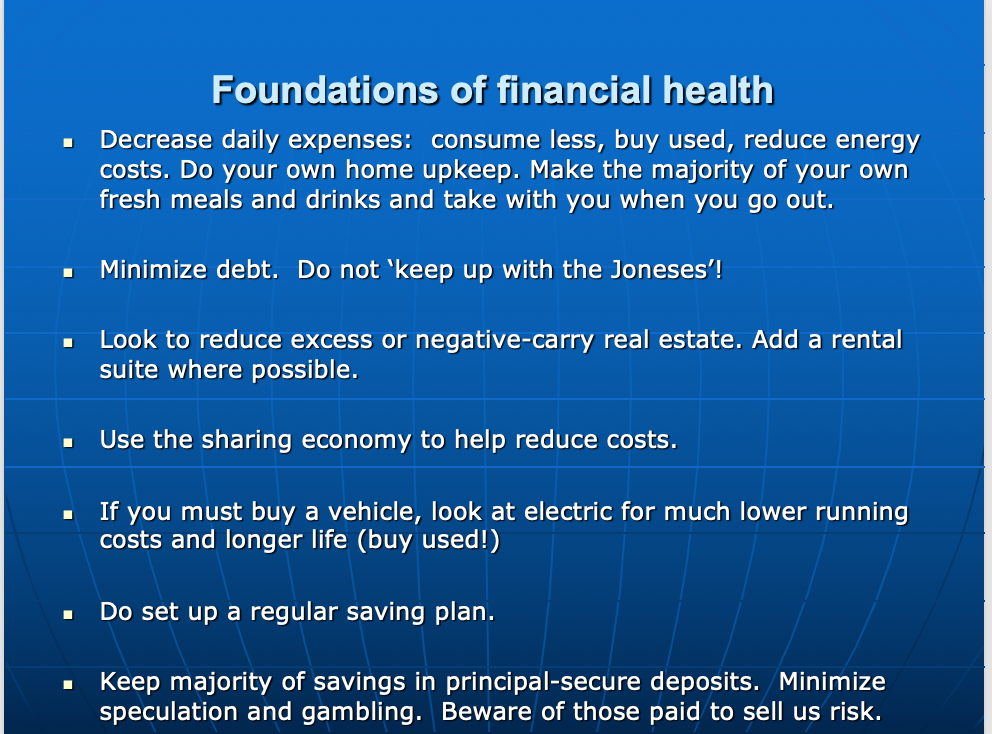
With consumers already heavily indebted and cash strapped today, there is a natural movement toward less consumption, less waste and more efficiency. See: Shoppers seek out green alternatives to single-use food packaging but are not prepared to pay a premium, study finds. For more ideas on the multi-faceted initiatives needed see: Canada’s recycling system is trash, but it’s not too late to fix it.
Today, Canada’s federal government stepped up its commitment at last.
Prime Minister Justin Trudeau announced Monday that the government is looking at different options to limit the use of single-use plastics and make plastic producers responsible for the collection and recycling of their products under new regulations. Here is a direct video link.
Many municipalities are also finally in motion. We are all the change needed.
The tourist destinations of Tofino and Ucluelet are outlawing single-use plastics, making them the first B.C. communities to get rid of plastic straws and the latest to ban plastic shopping bags. Here is a direct video link.