The elephant of unsustainable pension management has been sitting in the theater of retirement planning for at least two decades. Now it is taking center stage. As obligations have soared, contribution levels have not kept up and management has opted for increasingly risky bets in the hopes of ‘winning’ the funds needed. It’s not working.
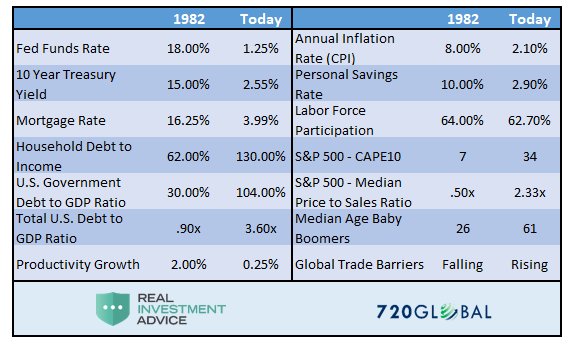
Plans that were fully funded 20 years ago, today have maybe two-thirds of the capital needed to cover benefit promises– and that optimistic estimate assumes zero bear markets and fantastical average real returns of 7%+ a year going forward.
The reality of the pension crisis was underlined again last week when the board of the largest $330+ billion US public pension plan, California Public Employees Retirement System (CalLPERS), voted to shorten its period for amortizing future investment losses from 30 years to 20 years. After losing $100 billion in 2008, followed by 10 years of QE-enabled capital markets since, the fund still has not recovered.
The net effect is that state and local governments and agencies will have to further increase mandatory contributions by diverting tax revenues needed for education, health care, roads, environmental protection and other public services.
As warned last summer by Steve Westly, a former California State Controller who served as a fiduciary on the boards of CALPERS and CALSTERS, current pension funding plans are not feasible:
We’re already seeing pension liabilities crowd out other spending. General fund revenues have grown 28 percent over the past six years, but the share available for discretionary spending outside of public safety has declined from 21 percent of the budget to 12 percent. Over the same time frame, spending on pensions increased 99 percent.
Officials are now acknowledging that if when pensions experience another big investment loss, they will pass a point of no return and be unable to pay their promises.
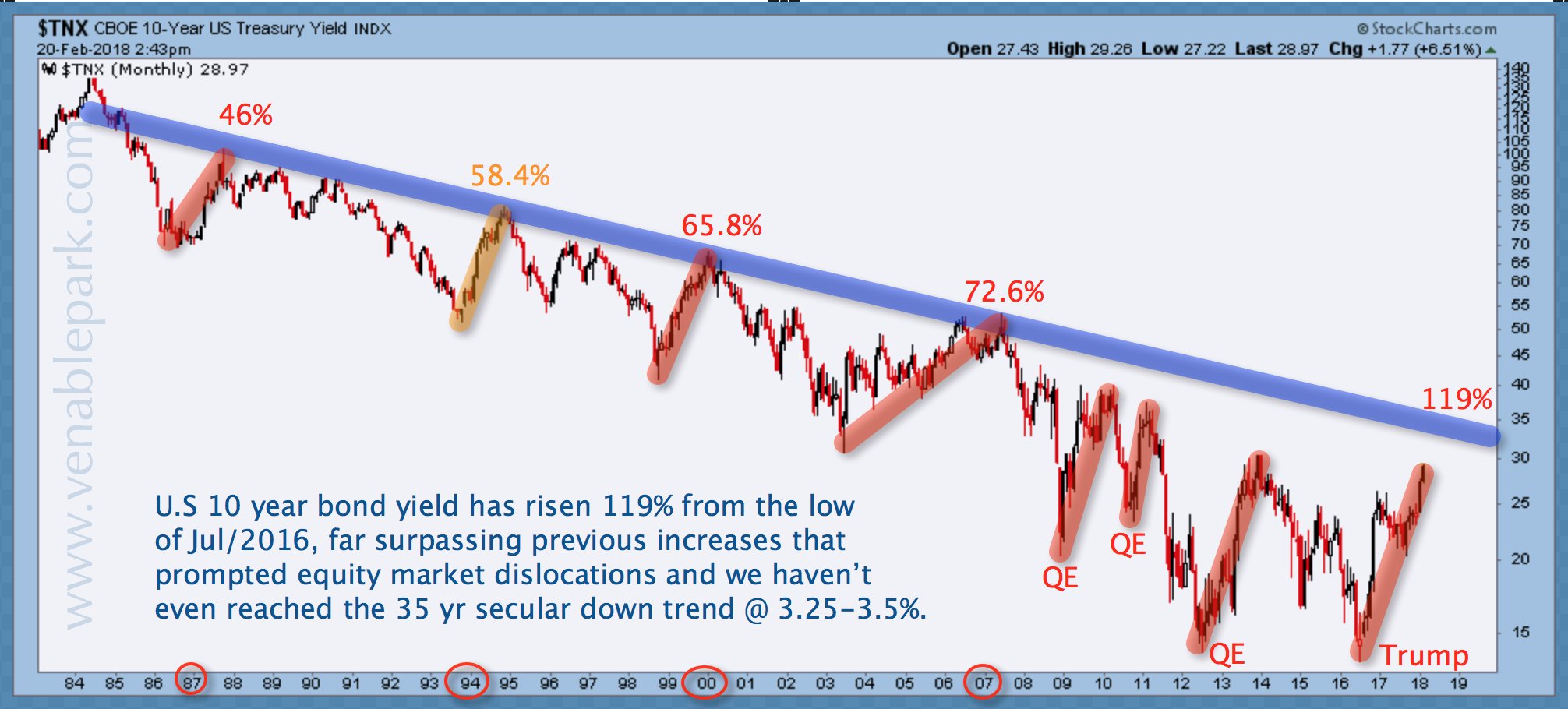
Since most have responded to falling yields the past 8 years by increasing allocations to risky bets on over-valued stocks and illiquid assets like real estate, hi yield debt, hedge funds and private equity, big losses in the next bear market are baked into the approach.
Solutions include lowering benefit payments and indexing, delaying retirement ages, increasing saving/contribution levels, and in some cases expunging obligations in bankruptcy. None of these are popular, but this is reality. See California’s Public Pension Crisis in a nutshell:
Client agencies – cities, particularly – were already complaining that double-digit annual increases in CalPERS payments are driving some of them towards insolvency and the new policy, which will kick in next year, will raise those payments even more…
But CalPERS itself may be on the brink, and the policy change is one of several steps it has taken to avoid a complete meltdown.