Doing math before we buy a vehicle

This clip offers a couple of sound points when considering the purchase of a personal vehicle [and investments for that matter]–to wit:  “Don’t let a salesperson tell you what a good purchase is,” and if you can’t afford to pay off the vehicle within 3 to 4 years max, you cannot afford to buy it.  Here is a direct video link.

Most of all though, it is important to consider that individual vehicle ownership (‘IO’) is on its way out.  On demand transport as a service is expected to provide 95% of passenger miles within the next 14 years (and this assumes 20-25% of rural users may not be able to adopt by then).  See all the details in the report Rethinking Transportation 2020-2030.

This means new vehicle sales are likely to drop by 70% by 2030 and the supply of superfluous used cars will push their resale values toward zero.  Owners may have to pay to get rid of them and recycle the parts.

Today even paid-for vehicles cost their individual owners an average of $9,000 a year in owner/operator expenses (fuel, insurance, maintenance, parking, licensing and repairs) while the vehicles are used just 4% of the time (sitting idle 96%).  In most cases, this makes for a very expensive waste of precious capital and keeps us from directing cash flow to other more productive pursuits like debt-reduction and saving.

Cost-effective transport on demand is already available in most places through services like Uber and Lyft. If you have not tried it yet you should download the app to your phone and try it without delay.  Not to mention trains, buses, taxis, bicycles (!) and periodic short-term rentals where needed.  The cost savings over individual ownership are huge and much needed to help restore financial viability and efficient allocation of finite resources.

Bottom line:  before buying a vehicle today, it is more critical than ever to do some math.
Posted in Main Page | Comments Off on Doing math before we buy a vehicle

Humans restoring pollinator paths to support nature and our food system

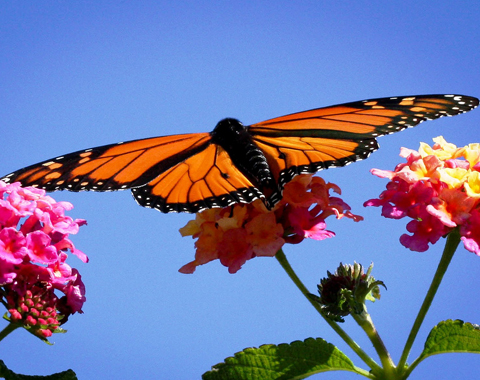
“Reproduction for about 90 per cent of flowering plant species depends on pollinators, from bees and butterflies to hummingbirds and bats. We have pollinators to thank for one of every three bites of food we eat. Sadly, threats like development, pesticides and climate change are dramatically reducing pollinator diversity and numbers. A 2016 UN report found 40 per cent of all insect pollinators worldwide are under threat. More than 50 butterfly and moth species and a quarter of all bumblebee species in North America are threatened, and six species of native bees await protection under Canada’s Species at Risk Act.” 

Finally, enlightened and dedicated humans are working to restore pollinator paths and bumblebee highways in support of nature and our food system.  See:  Butterflyways blooming throughout the land.

I bought organic Milkweed seeds from a local farm and planted seedlings this spring in our yard.  Coming together, concerned citizens are restoring critical habitat areas.  Good idea:

Residents of Toronto and Richmond, B.C., recently celebrated official designation of neighbourhood Butterflyways… recruiting more than 150 residents in five Canadian cities as the first Butterflyway Rangers. These volunteers learned how to help local pollinators flourish. They returned to their neighbourhoods with a mission: create a local Butterflyway by planting at least a dozen pollinator patches filled with native wildflowers that support these essential critters…What happened next is inspiring.

Posted in Main Page | Comments Off on Humans restoring pollinator paths to support nature and our food system

Weed killer in our food and cancer

Good summary update in this clip.

It’s in everything from bread, to berries, to breast milk. It’s called glyphosate, the active ingredient in Monsanto’s top weed killer Roundup, and whether glyphosate is harmful to humans or not will most likely be decided by Trump’s EPA. Here is a direct video link.

Posted in Main Page | Comments Off on Weed killer in our food and cancer