I had hoped that the boy from the Northwest Territories was still in that Goldman Sachs groomed body somewhere…
 Speaking at a City conference on “inclusive capitalism” in London this week, former Bank of Canada, and now Bank of England head, Mark Carney offered a strong call to reform and ethical principles in finance.
Calling out the “heads-I-win-tails-you-lose” mentality of bankers and their traders, Carney admitted that reckless, unethical practices in the finance sector have led to massive compensation to bankers on the tab of taxpayers. The effect has been rising inequality and a corrosive and destabilizing erosion of the basic social contract at the very heart of capitalism:
“We simply cannot take the capitalist system, which produces such plenty and so many solutions, for granted. Prosperity requires not just investment in economic capital, but investment in social capital.
Just as any revolution eats its children, unchecked market fundamentalism can devour the social capital essential for the long-term dynamism of capitalism itself. To counteract this tendency, individuals and their firms must have a sense of their responsibilities for the broader system.
“All ideologies are prone to extremes. Capitalism loses its sense of moderation when the belief in the power of the market enters the realm of faith. In the decades prior to the crisis such radicalism came to dominate economic ideas and became a pattern of social behaviour…
Consideration should be given to developing principles of fair markets, codes of conduct for specific markets, and even regulatory obligations within this framework. There should be clear consequences including professional ostracism for failing to meet these standards.”
See: Bank of England governor: capitalism doomed if ethics vanish
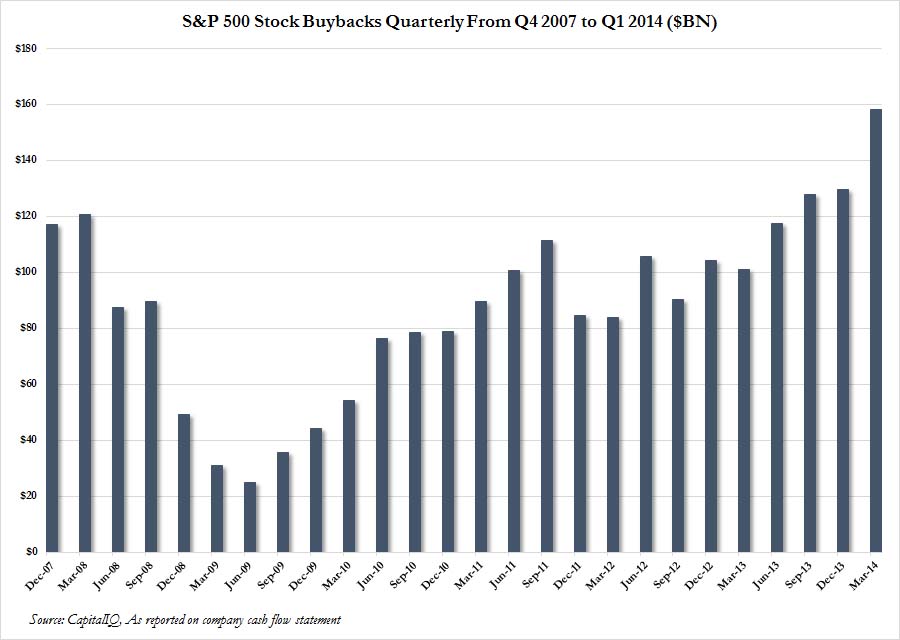
He went on to point out that one of the lessons of the 2008 crisis was that compensation schemes that delivered large bonuses for short-term returns encouraged individuals to take on too much long-term risk, such that the “present was over-valued and the future heavily discounted.” Today these mal-incentives are widely evident in corporate executives, borrowing mountains of long-term debt for unproductive share-buy backs that goose earnings and price multiples in the short run, but undermine the longer-term strength and resilience of the businesses under their management. Harming the host to inflate the short-term gains of the c-suite, directors and shareholders is counter-productive. In the end, unfettered greed is self-defeating.
Having left Canada last summer on a high note (before our over-heated housing market hits its credit-abused comeuppance), Mr. Carney is now facing a similar downside threat in England where 5 years of lax monetary policies have helped push home prices up 9% in the past year, a whopping 17% in the City of London– where they are now 30% higher than their pre-crash 2007 peak. Thanks to the government’s signature “Help to Buy program” where the state (backed by taxpayers) insure mortgages for first-time buyers with a 5% down payment on properties up to £600,000 ($1.1-million), the proportion of home buyers now owing greater than 4.5 times their annual income, is also back at pre-crash levels.[reflect on that a moment: people are buying million dollar homes at bubble valuations with just 50K down and 950K mortgages backed by taxpayers!] See: The end of Mark Carney’s British honeymoon for more.
Sounds very like Canada, Australia and New Zealand. With no banker or politician wanting to take responsibility for inflating or bursting the bubble, leaders are engaged in a quickening game of musical chairs, with each intent on positioning to not be blamed for the pain and loss when the leverage music inevitably stops.