Public pensions have reported a median -7.9% for the fiscal year ended June 30–their biggest loss since 2009 (data published in The Wall Street Journal). This figure reflected the returns for traditional publicly traded investments like stocks and bonds to the end of the second quarter. However, illiquid assets, including private equity funds (PE), represented nearly a quarter of their portfolios, and those asset values have not been updated since March 31.
Through a decade of central bank risk suppression, yield-desperate investors, institutional and retail, crowded into illiquid funds and products in the hopes of hitting return targets far above risk-free rates. This was always a dangerous strategy. See Pensions brace for private equity losses:
In the coming weeks and months, public pension funds will calculate the second-quarter performance of their private-market assets based on estimates they receive from investment managers. Warning signs are already visible in the secondary market, where investors can buy and sell private-equity assets midway through the life of the investments.
Investors who bought private-equity assets on the secondary market this year paid an average 86% of the value assigned to those assets in 2021, according to data collected by investment bank Jefferies LLC from transactions it worked on.
…the investor relies on the manager to provide an estimate each quarter of what the investment is worth. Managers come up with these estimates by trying to assess the current value of the private companies they hold based on a mix of factors, such as internal or outside evaluations of the companies’ current and future performance and the trading prices of comparable public companies.
Private equity managers will not reveal their actual returns until later in December, and then those numbers will factor into the 2022 returns of pensions and other holders.
In March 2020, private equity managers expressed relief that they did not have to report market declines in real time and that locked in periods prevented clients from redeeming funds for several months. The quick v rebound into 2021 saved them from having to book early losses and sell illiquid assets to meet cash-out requests.
Barring a miracle rebound this time, an extended bear market is afoot, and redemption requests and liquidation selling will be harder to avoid.
PE rode free-money waves like the rest, but for all their touted sophistication, in the 10 years ended June 30, 2021, PE returns matched the S&P 500 index with less liquidity.
With the Russell 2000 and tech-heavy Nasdaq both -30% year to date, the S&P 500 -23% (its biggest loss since 2008), the US high-grade bond index -19.24% (the worst return since the 1970s) and the average 60% equity and 40% fixed income portfolio -19.3% to September 23, 2022, PE wizards are about to disappoint. Especially the many that levered to magnify returns.

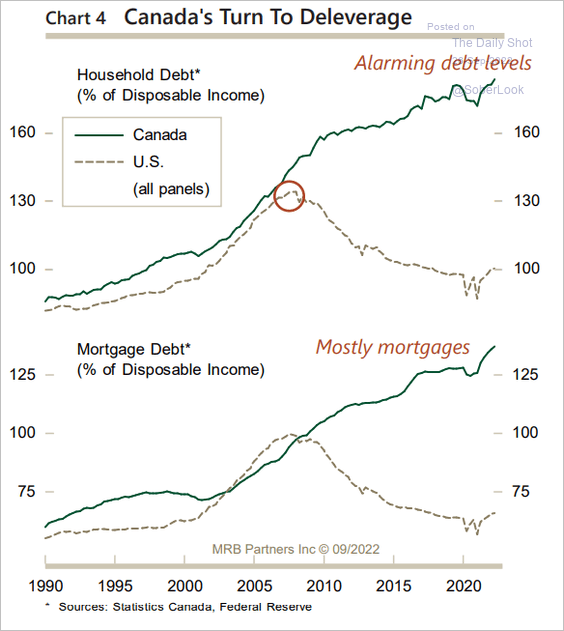 Now, economists from typically conservative institutions predict national price declines greater than 25%. As in America after 2006, prices are unlikely to recover their 2022 manic cycle peak for many years.