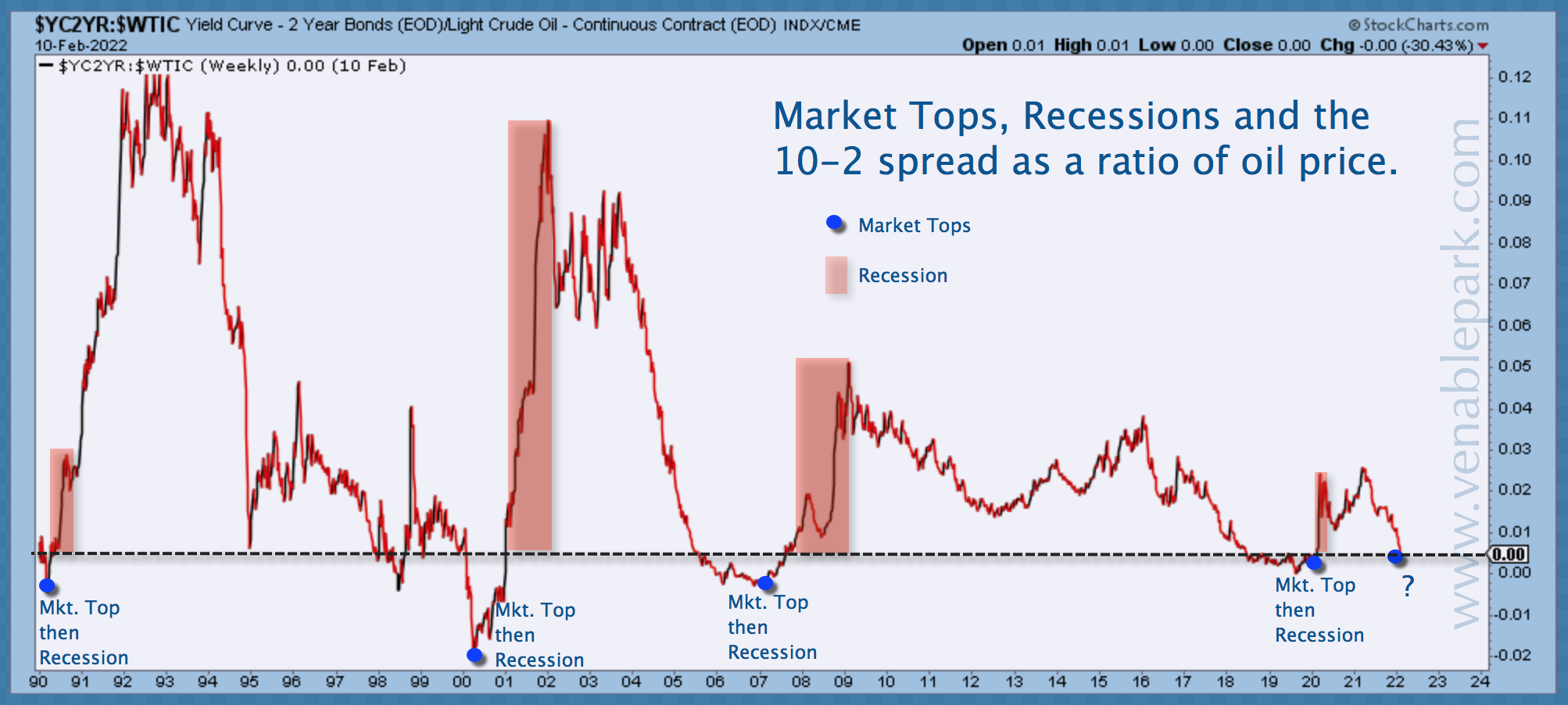
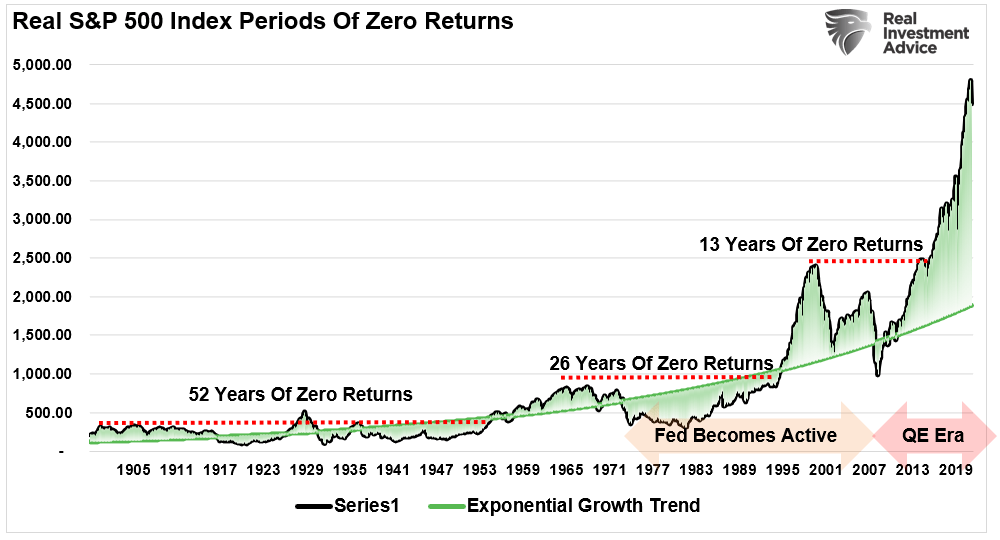
Hunt’s 36-minute presentation is content-rich as always; it requires more attention than click-bait but is worth the time invested.
Is inflation truly winning out after decades of deflation/disinflation? If so, what will the repercussions be?
Hoisington investment officer and former senior economist at the Federal Reserve Lacy Hunt offers a graduate level presentation to answer these important questions.
U.S. consumer credit expanded $18.9 billion in January while retail sales slid 1.9%. As in December, consumers are borrowing to cover basic needs and make ends meet as their interest costs are rising.No wonder U.S. consumer sentiment is at a decade low.
As stocks continue through a much-deserved bear market, corporate bonds are, as usual, dropping along for the ride. As bond prices fall, yields on the riskiest CCC issues have risen 33% since July (from 6.6 to 8.8%), while BB issue yields are up 51% (3.1 to 4.7%). We expect yields to widen further as default and liquidity risk are priced back into corporate security prices.
At the start of tightening cycles, it is typical for liquidity to drain out of all asset classes. But as the economic slowdown picks up steam and available cash contracts, default risk becomes the dominant concern. That is when government bonds become the most attractive asset class on offer, and safety-seeking inflows drive up their prices as everything else drops.
I explain this stuff all the time. Sometimes, it’s nice to see others take a stab. Lance makes a solid effort in the clip below. Here is a direct video link.
“…early is a portfolio manager’s best maxim. In this case it has nothing to do with birds getting the worm or being the first runner out of the starting blocks, but more about being positioned when markets move into crisis mode. Risk assets in a highly levered, finance based global economy can move so quickly to the downside that by the time you hear the birds chirping or see the starter’s gun smoking the race may be already half over. Admittedly, there’s a price to be paid for sitting out the frenetic last thrust of any bull market. In stocks, it comes in the form of being labelled old fashioned or out of touch…In bonds, it shows up as lost carry when yield spreads compress, and high-quality government bonds are shunned for derivative structures offering double-digit levered rewards. But when risk markets perceive a change in the wind—a turn in profits, a potential recession, and most importantly as was the case in mid 2007, an implosion in the pyramid scheme, chain letter driven structure of modern finance—then you’d better be already positioned. Exit doors lock automatically as illiquidity and the psychological frailty of the human mind prevents quick action in order to preserve capital.”
Posted inMain Page|Comments Off on Treasury bonds outperform during falling growth and inflation
Average Canadian home prices have increased 40% since the Pandemic began. For a bit of context, that’s the equivalent of about eight years of the long-term average price appreciation in just two.
Still, as unusual as housing gains have been, 64% of Canadians recently surveyed expect the value of homes in their neighbourhood to increase further over the next six months. The historical average on this question is about 40%. Just 5.6% of respondents expect prices to fall, the lowest on record. See: Canadians deepen faith in red-hot housing while rate hikes loom.
The problem with cyclically-blind expectations is that they’re inherently unreasonable and end up disappointing, eventually. In the meantime, financial plans get based on misinformed assumptions that pile borrowing, spending and capital allocation decisions onto flawed foundations. A reliable recipe for frustration and loss.
Posted inMain Page|Comments Off on Homeowners expect to keep winning
“An explosive critique about the investment industry: provocative and well worth reading.”
Financial Post
“Juggling Dynamite, #1 pick for best new books about money and markets.”
Money Sense
“Park manages to not only explain finances well for the average person, she also manages to entertain and educate while cutting through the clutter of information she knows every investor faces.”
Toronto Sun