John Hussman’s July letter kicks off with a timeless John Galbraith quote:
And so on to the moment of mass disillusion and the crash. This last, it will now be sufficiently evident, never comes gently. It is always accompanied by a desperate and largely unsuccessful effort to get out. The least important questions are the ones most emphasized. What triggered the crash?
This is not very important, for it is in the nature of a speculative boom that almost anything can collapse it. Any serious shock to confidence can cause sales by those speculators who have always hoped to get out before the final collapse, but after all possible gains from rising prices have been reaped. Their pessimism will infect those simpler souls who had thought the market might go up forever but who now will change their minds and sell.
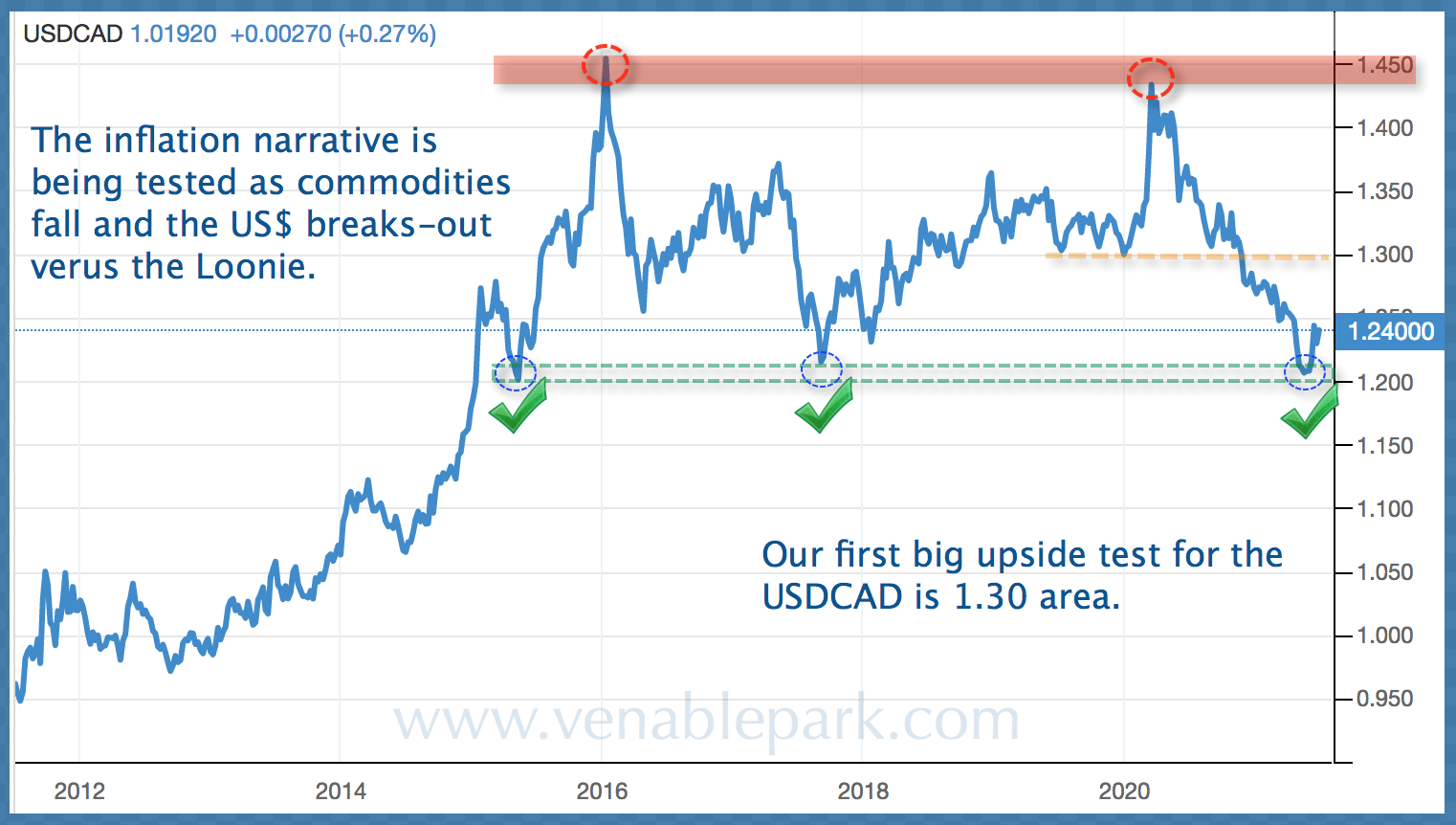
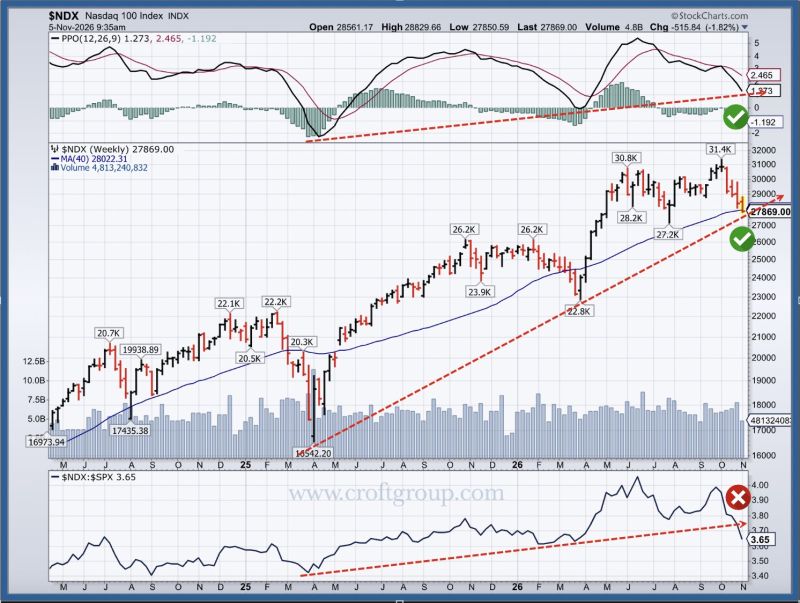
With the greenback and Treasuries surging while lumber futures slice below $500 a thousand board feet this afternoon, some big picture is worth a mull. Read: What Triggered The Crash? Here’s a taste:
A market crash requires nothing more than a shift in investor psychology from careless speculation to even modest risk-aversion. A market crash requires nothing more than an increase in the risk premium demanded by investors, in an environment where risk premiums have become overly depressed.
At some point, enough investors stop basing their expectations for future returns on the mindless extrapolation of past returns, in a market where prices have become detached from fundamentals. At some point, investors discover a basic fact of equilibrium: it is impossible, in aggregate, for investors to “exit” the market. Every single share of stock that has been issued has to be held by some investor, at every moment in time, until it is retired.
Lost in the incoherent blather about “cash on the sidelines,” “money flowing into the market,” and liquidity needing to “find a home,” there is a basic fact of equilibrium: once a security has been issued, it has to be held by someone, exactly in the form it was issued, until it is retired. Every dollar bill. Every share of stock. Every bond certificate. All of them are already home. They can’t magically turn into something else. Not a single dollar comes “into” the stock market that does not simultaneously come “out.” Not a single share is purchased that is not simultaneously sold. Every eager buyer must find a seller. Every eager seller must find a buyer. Either way, the buying always equals the selling. It’s not “money flow” that moves prices around. It’s eagerness.
With valuations at the most extreme level in history, the one thing that the market simply cannot tolerate is the eager attempt of a substantial number of investors to exit. When the walls come down, investors will scavenge the news for “catalysts.” Don’t fall into this trap. Undoubtedly, some “catalyst” will be found, but the mistake will be in believing that the collapse is caused by that piece of “bad” news. The important question to ask is “What drove the bubble?” That’s where the lessons are. The root causes of a crash are always the factors that nurtured and encouraged the “happy” period of carefree and irresponsible speculation that led to the bubble extreme…