As John Hussman patiently explains (again) in this month’s missive Detached Parabolas and Open Trap Doors, the impulse to exchange cash for any other security, regardless of price, has bid up markets to positively mindless levels.
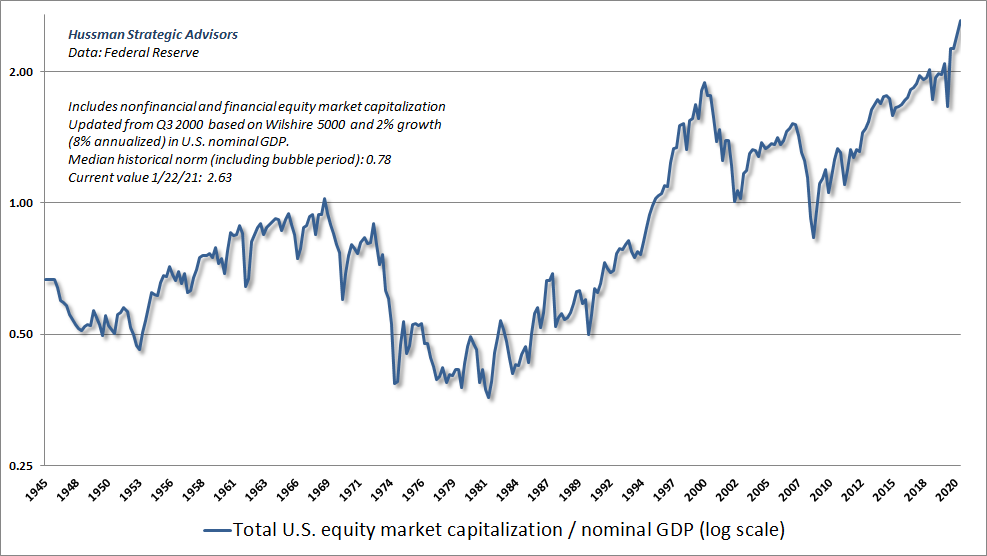
This first chart of the total U.S. equity market capitalization level (price x shares as a percentage of GDP since 1945) attests that there has never been a time when stocks were as exuberantly valued as the present. The last two (lesser) peaks in 1966 and 2000 ushered in loss cycles greater than 50% where stock prices collapsed and spent more than 15 years trying to grow back losses.
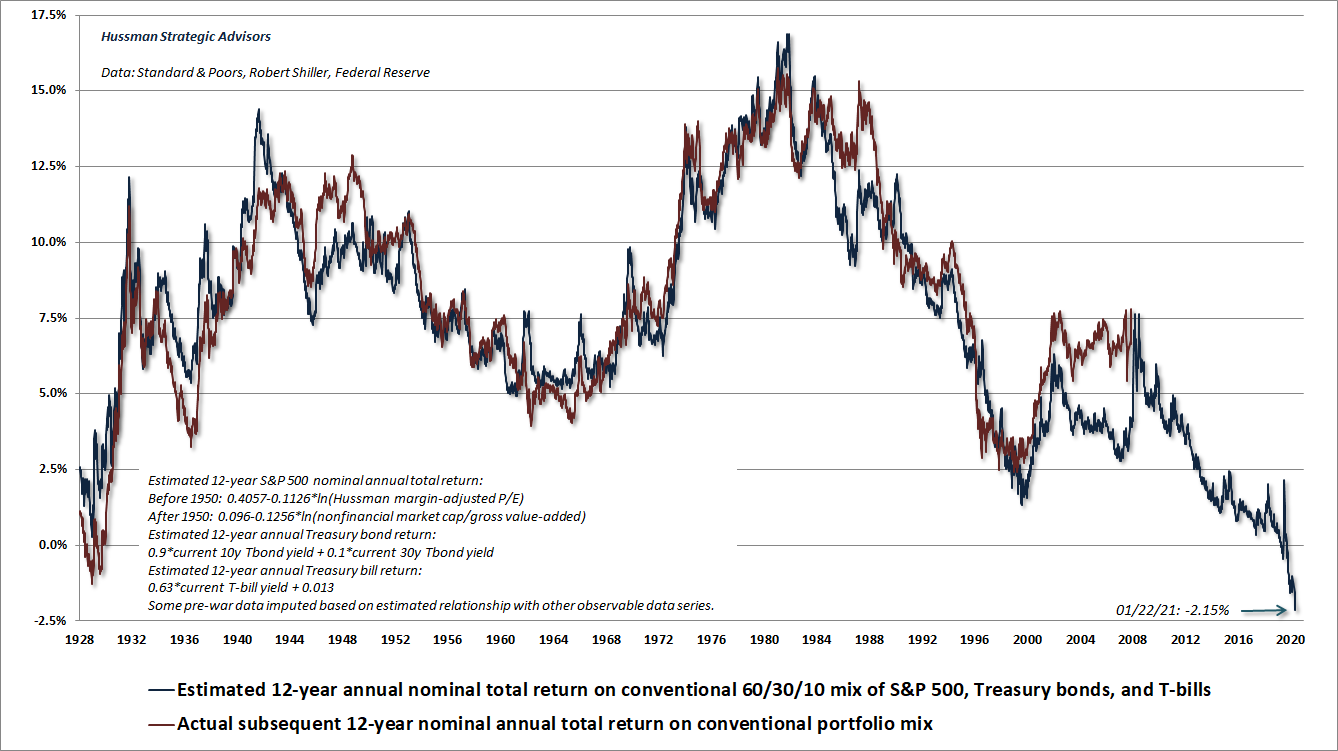
As always, the price paid will matter this cycle as well. From present levels, the average nominal total return for a conventional passive portfolio invested 60% in the S&P 500, 30% in Treasury bonds, and 10% in Treasury bills, is now poised to be -2.15% annually for the next 12 years plus, before any fees (as shown below). The higher the weight of so-called “growth” equities in a portfolio the more negative return prospects are from here.
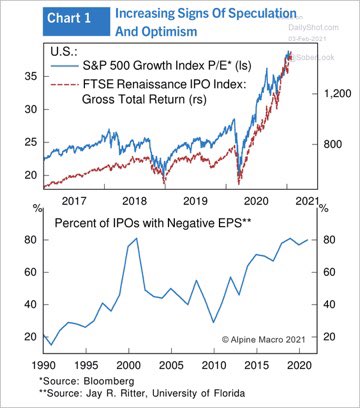 Whether it be established companies selling at more than 35 times their forecast earnings (top blue line in Chart 1 left), parabolic home prices selling 6 to 20 times the buyers’ household income, retail traders going for broke with levered betting or the 80% of initial public offerings globally that are being sold to the public at record pricing (red dotted line top left) and negative-earnings (lower blue line on left), mania is everywhere.
Not only have present owners borrowed against their homes and credit cards to fund their spending and speculative capital bets, but they have also borrowed against the securities themselves with even more 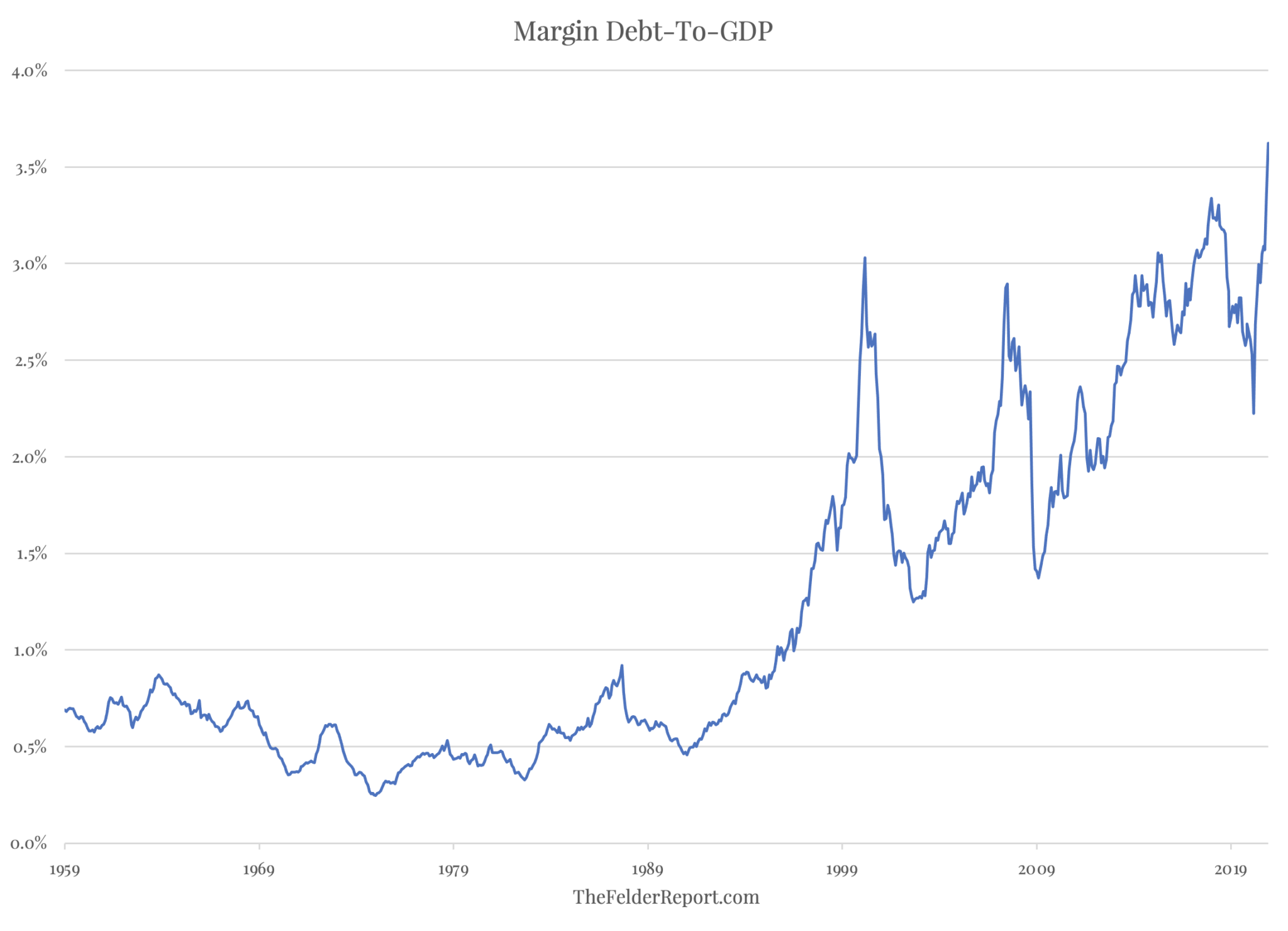 margin debt than before the 2000 and 2007 collapses as shown left in Jesse Felder’s chart of margin debt to GDP since 1959.
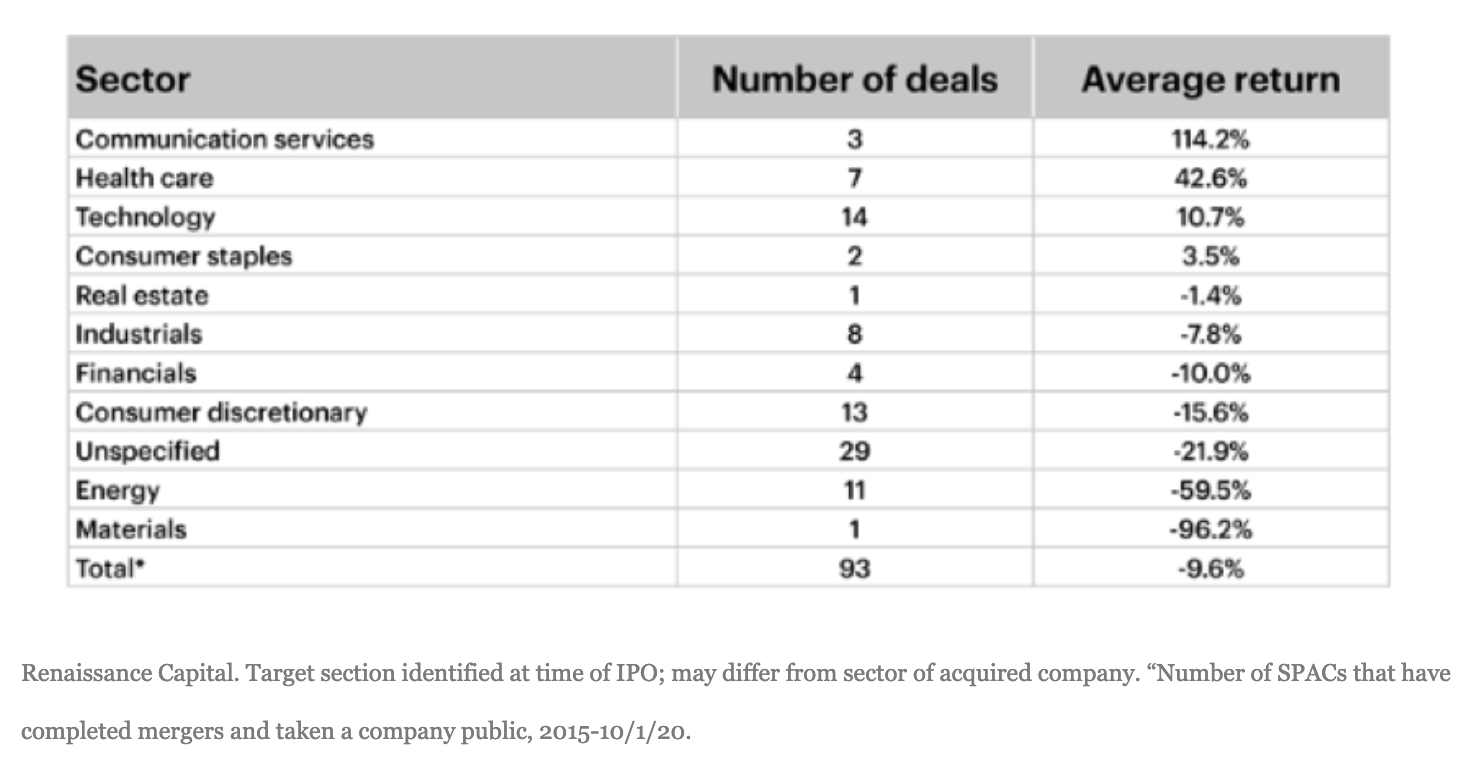
Then there are the should-be-illegal ‘SPACs’ Special Purpose Acquisition Companies that have been allowed to take in public funds for unspeficied purposes on the id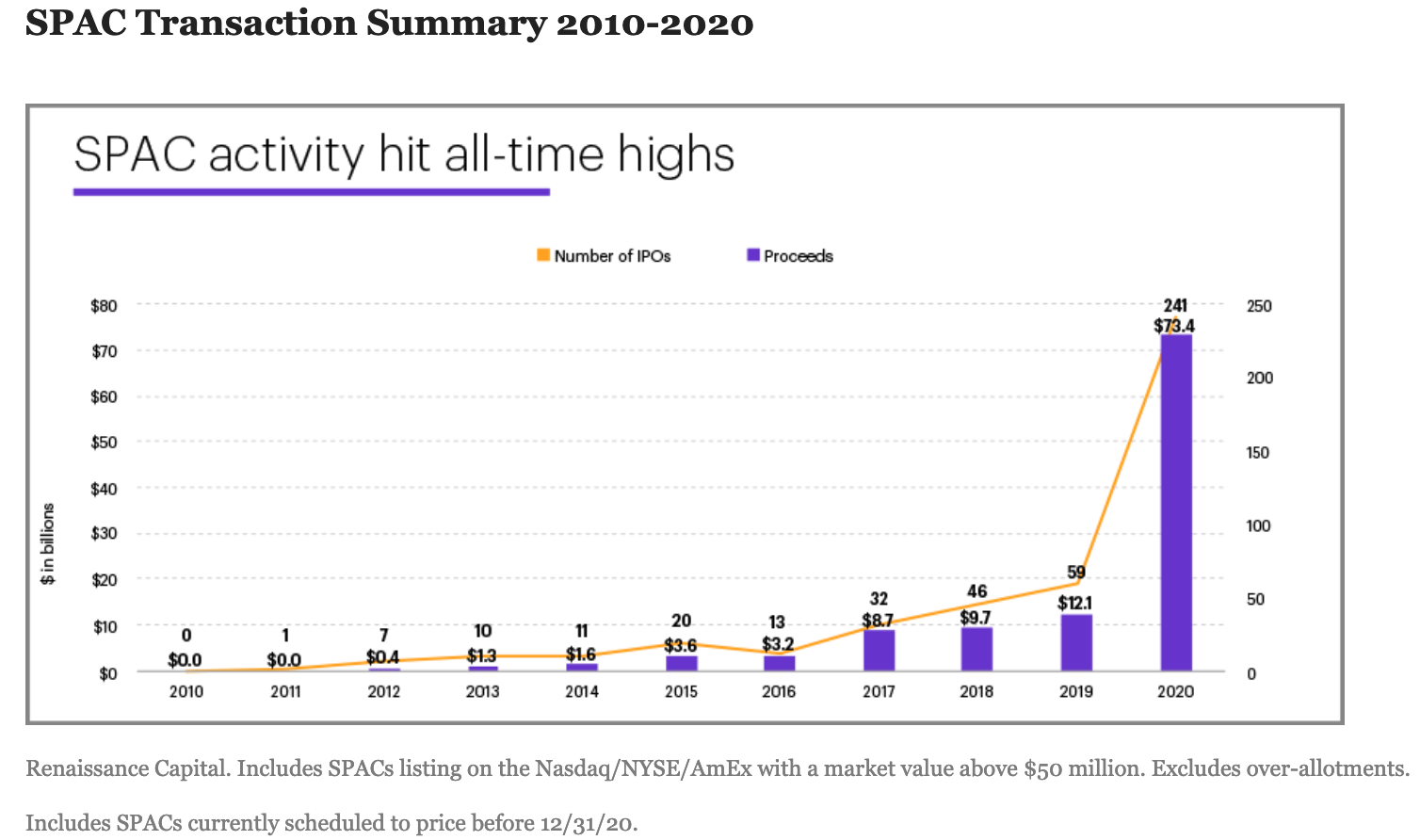 ea they will buy something (anything) within two years or be liquidated. This end-run allows celebrity promoters to hype up their offering in the media without normal IPO “quiet period” restrictions. While these vehicles pay their sponsors lucurative fees from inception, the vast majority have delivered negative returns for outside “investors” as shown below, see SPACs: Not so SPACtecular.
 Whatever people think they are doing here, it’s the antithesis of ‘investing’. And the implosion to inevitably follow will not be contained to just on-line gamblers and SPAC capital. Regular folks, pensions and key institutions that are today holding ‘growth’ assets in this mayhem are unwittingly riding shotgun with the madness of crowds. We don’t have to be helpless passengers. Bonkers is as bonkers does. Cash is only trash when it is thrown away thoughtlessly.
Don’t kid yourself: mindful, financial discipline and capital preservation strategies will remain the highest yielding assets over time– today more than ever in our lifetime.

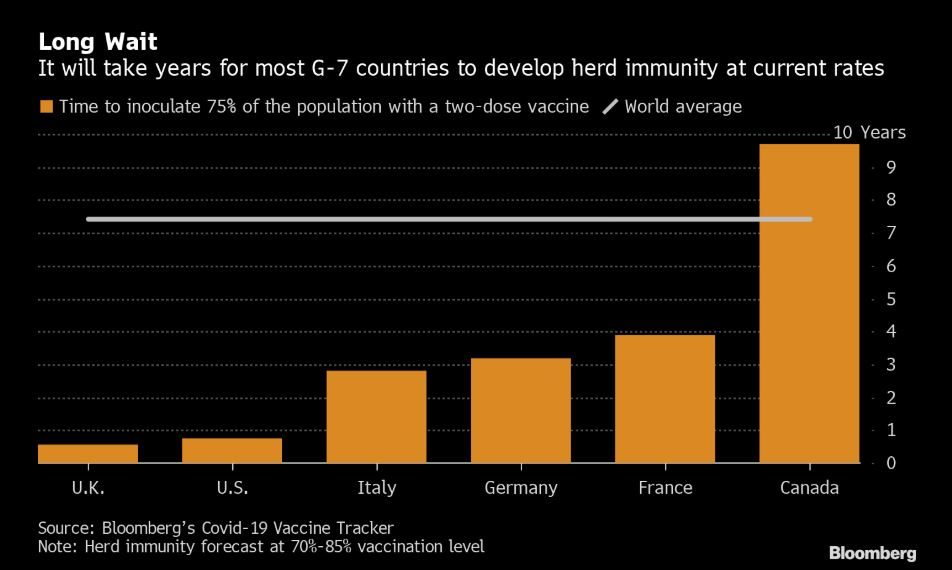 .K. and Isreal are presently on pace to achieve the 75% goal in 2021, while much of Europe would need a few years and Canada almost a decade. Clearly, much catch-up needed. Vaccination rates in many developing countries are not yet foreseeable.








