Not all masks are effective

In going to the trouble of wearing masks we might as well wear one that is effective in containing our droplet emissions.

Researchers at Duke University tested a total of 14 common face coverings and analyzed the number of particles that escaped.  Their conclusion: the best option for the average person is to wear polypropylene masks or a homemade cotton mask with multiple layers while bandanas are little help and neck gaiters made of polyester spandex material actually produced more particles than speaking with no face covering at all.

Dr. Martin Fischer, Ph.D., from Duke University, developed a simple, low-cost technique to visualize the effectiveness of different face coverings on droplet emissions during normal wear. Testing several face coverings, the researchers found that the particles can be blocked by some, but not all recommended face coverings. Here is a direct video link.
Posted in Main Page | Comments Off on Not all masks are effective

Financially destructive policies ripe for review

As the worst pandemic in a century forces the world to look for new ideas to expand the multiplier effect and more efficiently share resources through a depressed global economy, policies that have helped extreme wealth pool in a few at the expense of the rest are up for much-deserved review. Today’s historically low corporate tax rates and rampant stock buybacks are fat targets.

American companies today spend billions on stock buybacks. So what does that mean for the US economy? And how did it help make American CEOs so unbelievably rich? Here is a direct video link.
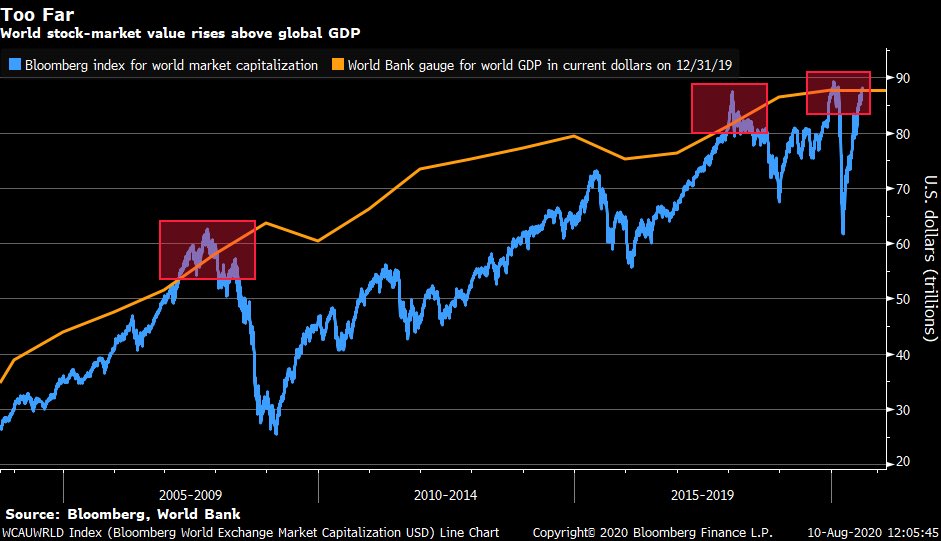
The chart below offers a sense of just how extreme global stock prices (in blue since 2001) have become as world GDP (in orange) has flatlined since 2018.  The value of global stock markets has surpassed the value of global GDP (far right red boxes).  In 2008 (left red box) a similar overshoot preceded the much-deserved halving of stock prices.

Posted in Main Page | Comments Off on Financially destructive policies ripe for review

US dollar down, but is it out?

As I noted last week in US dollar stalks risk markets everywhere, the most defining force in markets globally since March has been a falling US dollar, which has boosted the price of assets on the opposite end of the global markets teeter-totter.

Morgan Stanley analysts noted on Friday that the U.S. dollar (DXY, 0.24%) index was the most oversold since 1978 and trading 3.6 standard deviations below its twelvemonth average.

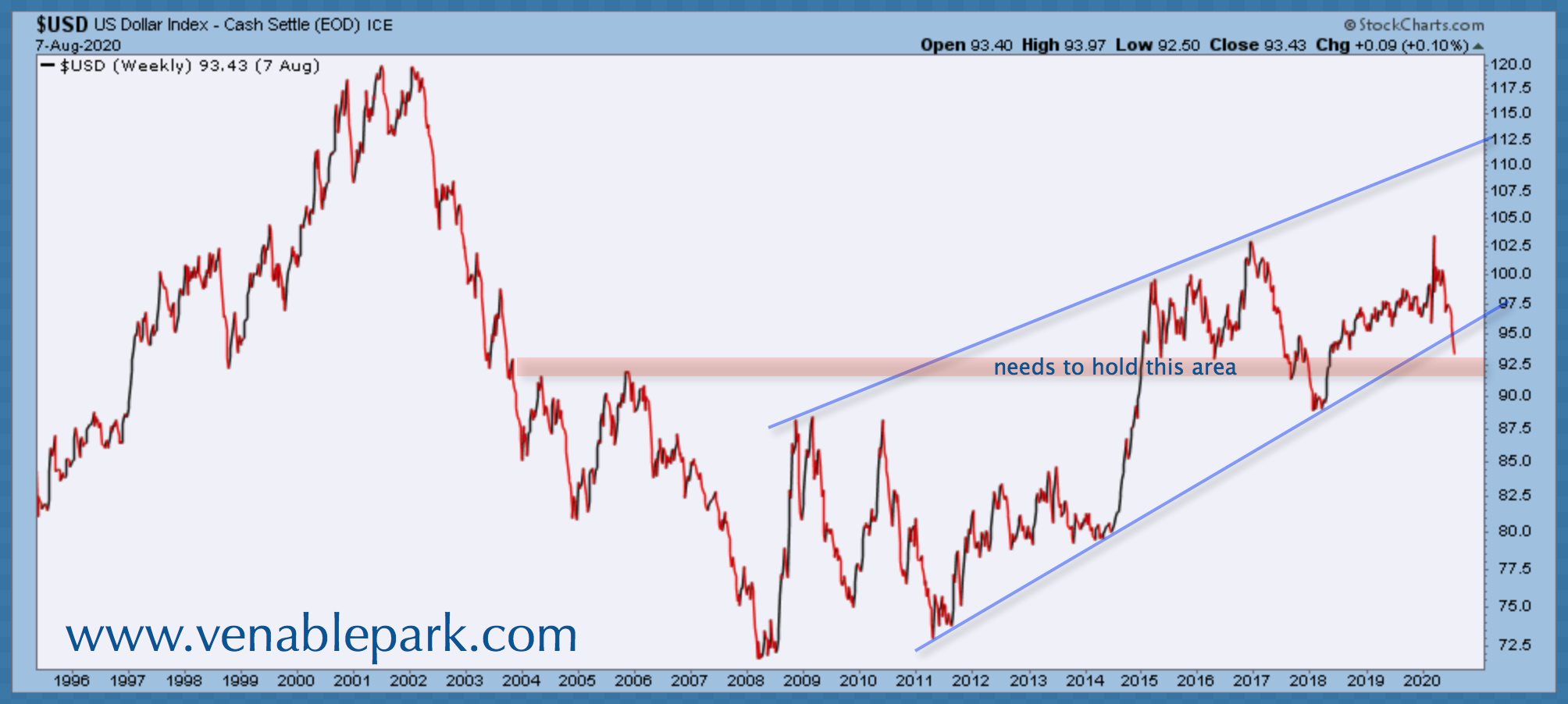
As shown in my partner Cory Venable’s updated chart of the dollar index below, a hold in the 92 area (pink band below) and close above 95 would reaffirm the upward channel that has held since 2011 and, with it, the next wave of pain for a world of highly levered, reckless and wilfully blind asset holders.

The reality is that well before the pandemic crushed the economy, corporate earnings have been falling for over 18 months as debt-weight and consumption exhaustion led to falling sales and economic growth since early 2019.

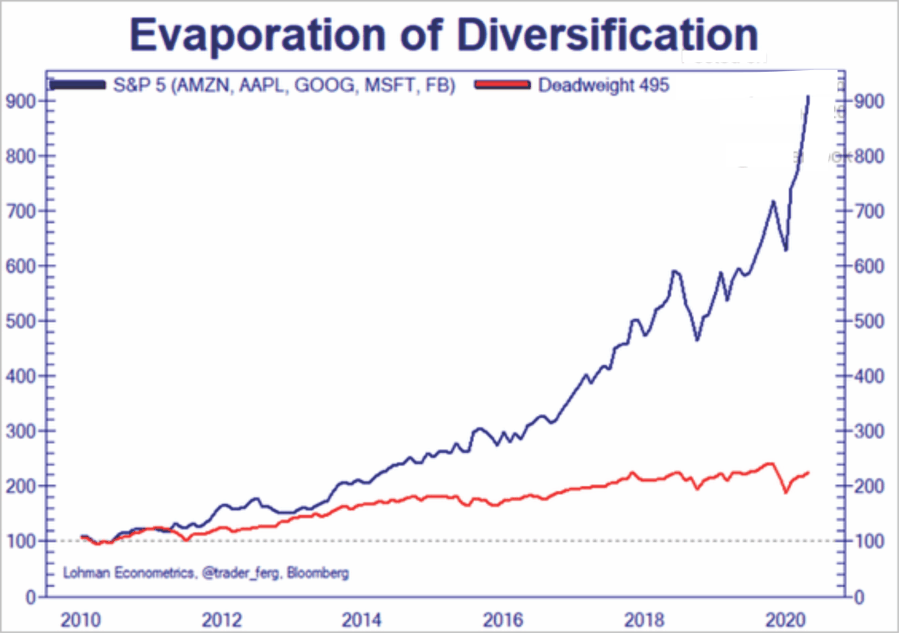
While a handful of tech stocks (AMZN, APPL, GOOG, MSFT and FB–blue line below) have cloaked broad weakness and held-up indices and speculative sentiment, (remaining 495 companies in the S&P 500 in red since 2010), the rise has been almost entirely attributable to multiple expansion– paying more and more for lower cash flows–as explained well by Lance Roberts this morning in Justifiable Bullishness or Willful Blindness?

We took capital gains and covered our long USD exposure in March.  Being out of the dollar since has been the right call.  The critical question is what happens next.  Confident dollar bears are ubiquitous today for sure.  The dollar is down, but is it out?

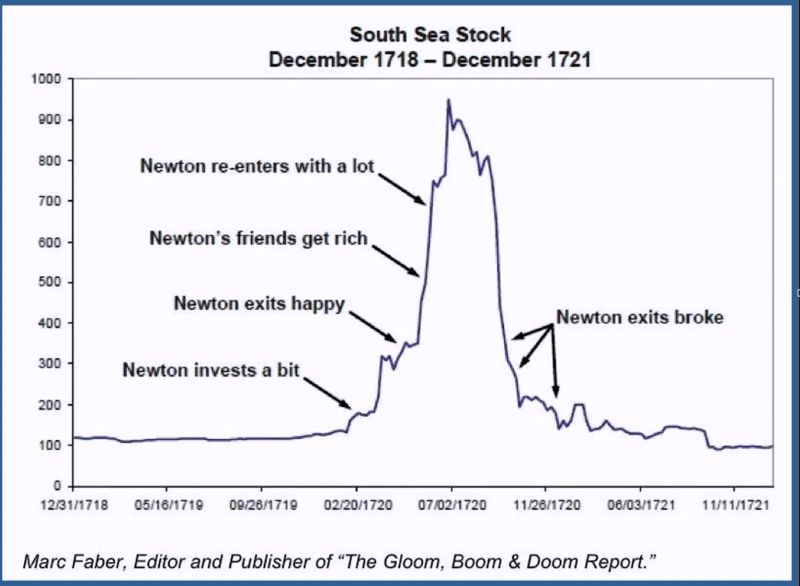
Aware or not, those with capital to lose have all placed our bets.

Posted in Main Page | Comments Off on US dollar down, but is it out?