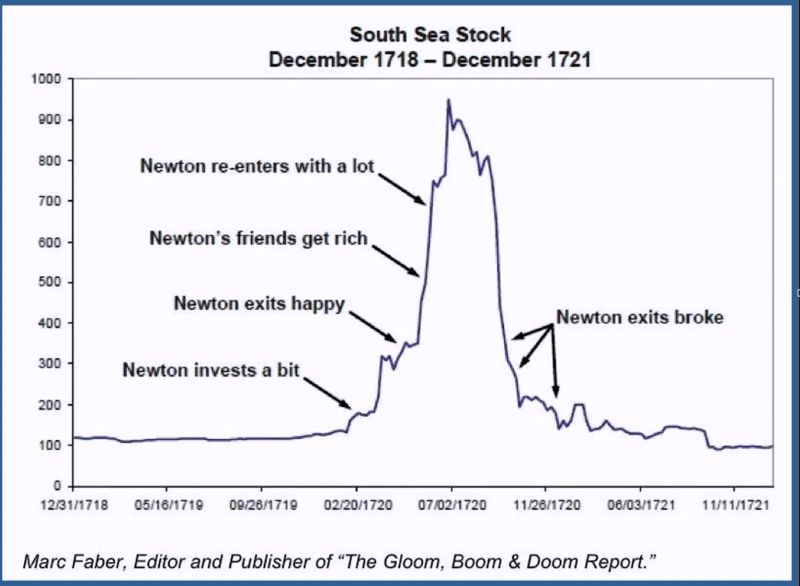
Ramp some more…

Meanwhile, in the financial casino…stocks are leaping again on recycled headlines of debt-financed spending by governments and more loans to small businesses, even though the first business loan programs have not been taken up as hoped.

Weak demand is the global problem that policymakers cannot fix it.  It has always been customers that drive sales and jobs, not CEOs or central banks, and today, customers are retreating from discretionary spending, focused on survival and saving where possible.
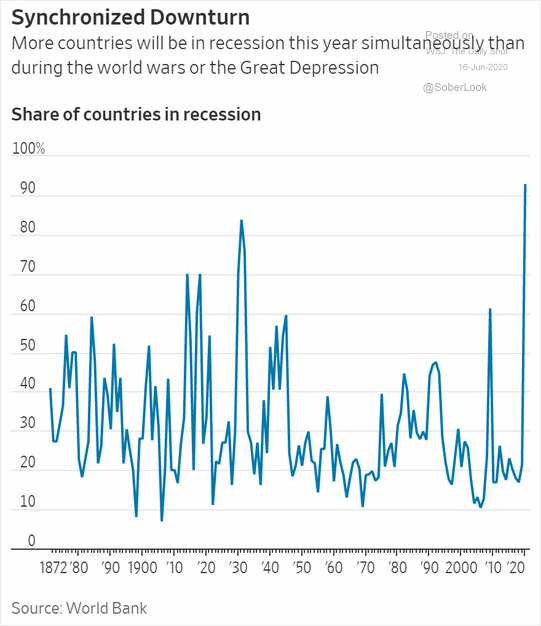
Ninety percent of the world’s economies are now in recession–more than during the Great Depression or any other time in the last 150 years–as shown in the chart on left from Soberlook.

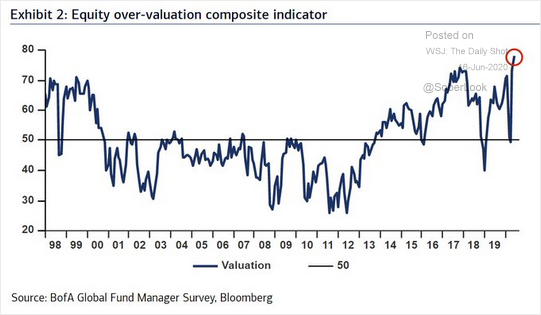
While 78% of asset managers surveyed by Bank of America admit that stocks are ‘overvalued’ on reliable metrics Imageas shown beside–even more than in 2017 or 1999– hedge funds are holding the most speculative long positions in equities since September 2018 just before the 4th quarter meltdown that year.
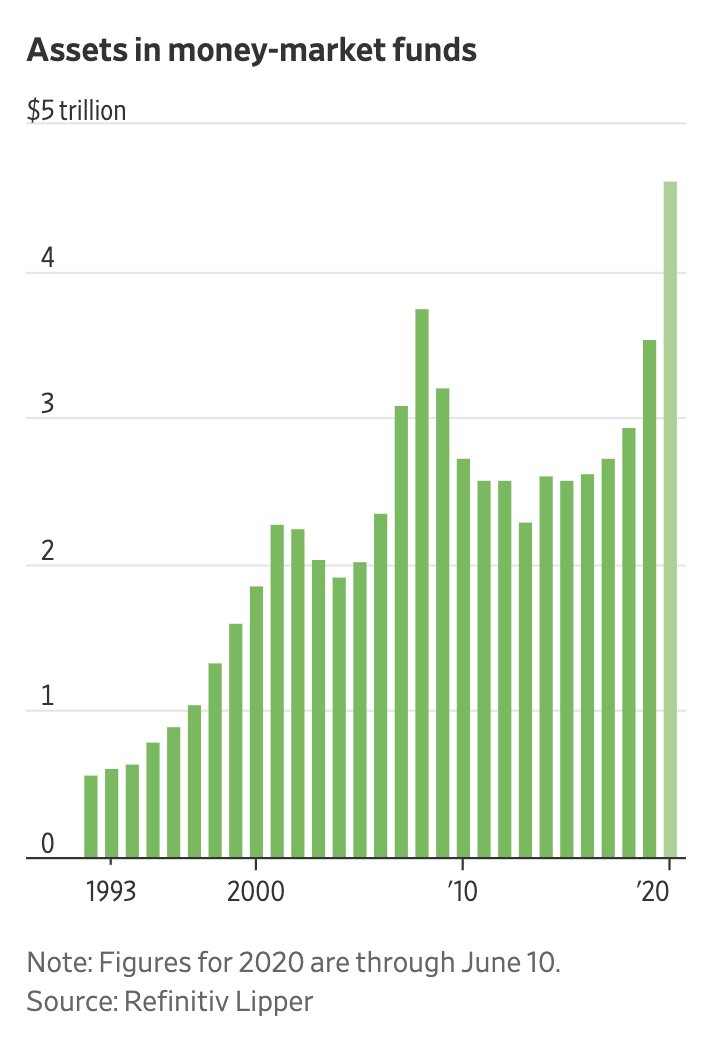
Not everyone is taking the clickbait though, despite yields suppressed near zero, cash held in money market funds hit a record high last week as shown below. Past tops in money market funds coincided with the equity market tops in 2000-01 and 2007-08.
Not everyone is a sucker for FOMO.  When everyone without meaningful loss-avoidance rules has bought, when all the long-always money to be wagered is in, the market reaches a stand-off between bulls and bears.

Holders can lever themselves some more to buy even more assets at nonsensical prices, but value-conscience buyers, who understand the math of loss and are free to exercise independent decisions, patiently wait for rational prices to present.  We do this because we know that it is necessary in order to make lasting progress, with positive compound returns over full market cycles.


 

Posted in Main Page | Comments Off on Ramp some more…

HIV/AIDS treatment developer: COVID-19 not even close to under control

Some sober observations in this clip from someone with decades of experience in virus treatment and vaccine development:  “Herd immunity to COVID-19 is a fantasy.” We aren’t going back to ‘normal’ any time soon.

William Haseltine, who designed the strategy to develop the first treatment for HIV/AIDS and is now chair and president of consulting group ACCESS Health International, talks about the coronavirus outbreak. He speaks with Haidi Stroud-Watts and Shery Ahn on “Bloomberg Daybreak: Asia.”
Here is a direct video link.

Posted in Main Page | Comments Off on HIV/AIDS treatment developer: COVID-19 not even close to under control

Plastic rain is coming down on all of us

Today, more than 99% of plastic is made from chemicals sourced from fossil fuels.  Our throw-away habits have made plastics profitable for producers while devastating environmental and health costs are left to mount on the public tab.  The COVID-19 pandemic has been doubly harmful in both increasing plastic use and reducing our attention on its pollution as we focus on immediate health threats.  Meanwhile, longer-term health harm is compounding all around us.  See Plastic rain is the new acid rain:

Writing today in the journal Science, researchers report a startling discovery: After collecting rainwater and air samples for 14 months, they calculated that over 1,000 metric tons of microplastic particles fall into 11 protected areas in the western US each year. That’s the equivalent of over 120 million plastic water bottles. “We just did that for the area of protected areas in the West, which is only 6 percent of the total US area,” says lead author Janice Brahney, an environmental scientist at Utah State University. “The number was just so large, it’s shocking.”

It further confirms an increasingly hellish scenario: Microplastics are blowing all over the world, landing in supposedly pure habitats, like the Arctic and the remote French Pyrenees. They’re flowing into the oceans via wastewater and tainting deep-sea ecosystems, and they’re even ejecting out of the water and blowing onto land in sea breezes. And now in the American West, and presumably across the rest of the world given that these are fundamental atmospheric processes, they are falling in the form of plastic rain—the new acid rain.

Given present consumer choices, efforts to minimize and avoid petro-plastics feels nearly hopeless today.  But this issue will not solve itself.   There are many non-toxic alternatives that can be used when demanded by regulation.

With its deep fossil fuel industry ties, Canada is far behind the EU and other countries in banning non-biodegradable single-use plastics.  We must dramatically reduce packaging and, where plastics are wanted, make them from plant waste and other biodegradable materials.  There are already solutions like combining natural rubber with bio-plastic which are stronger and more flexible than petro-plastics.

A ban on non-biodegradable plastics will focus investment and demand on sustainable packaging types and create much-needed new jobs and business lines.  See Study shows potential for earth-friendly plastic replacement.  Continuing the status quo is irrational and self-destructive.

Posted in Main Page | Comments Off on Plastic rain is coming down on all of us