Ellen Brown has penned an excellent article on the latest iteration of Fed-funded madness –the now daily repo market injections. Brown and others are calling on lawmakers to turn the Federal Reserve into a public utility and impose a 0.1% financial transactions tax to help curb high-frequency speculative trading, see The Fed protects gamblers at the expense of the economy:
Although the repo market is little known to most people, it is a $1-trillion-a-day credit machine, in which not just banks but hedge funds and other “shadow banks” borrow to finance their trades. Under the Federal Reserve Act, the central bank’s lending window is open only to licensed depository banks; but the Fed is now pouring billions of dollars into the repo (repurchase agreements) market, in effect making risk-free loans to speculators at less than 2%.
This does not serve the real economy, in which products, services and jobs are created. However, the Fed is trapped into this speculative monetary expansion to avoid a cascade of defaults of the sort it was facing with the long-term capital management crisis in 1998 and the Lehman crisis in 2008. The repo market is a fragile house of cards waiting for a strong wind to blow it down, propped up by misguided monetary policies that have forced central banks to underwrite its highly risky ventures.
Related to Fed-enabled speculation, a new report from The World Bank warns that debt levels in developing countries have hit the highest level in 50 years–US$55-trillion in 2018, or almost 170% of GDP compared with 114 percent in 2010–and the fastest, largest and most broad-based increase in debt in emerging markets and developing economies means that many countries are now highly vulnerable to slow growth, extreme weather and rising financial dislocation. See: World Bank warns many developing counties in “dangerous waters.”
“What we are saying here is that…interest rates may not stay low and growth may not stay as high as it is. You can have disruptions to financial markets, and you can have growth slowdowns … and then this debt does become unsustainable and very difficult to service.”
The report also noted that economic growth in the poorest countries fell to 5.4 per cent in 2019, from 5.8 per cent in 2018. It is expected to remain at that level for the next two years. The slowdown was owing largely to weaker commodity prices, political instability and extreme weather events. While growth is forecast to pick up to 5.7 per cent by 2022, it will be “insufficient to markedly reduce poverty”. In some poor countries, per capita GDP is expected to grow by just 1 per cent from 2020 to 2022, after contracting last year. “As a result, the number of people living below the international poverty line of [US]$1.90 per day will remain elevated, while continuing to rise among fragile [countries],” the bank said.
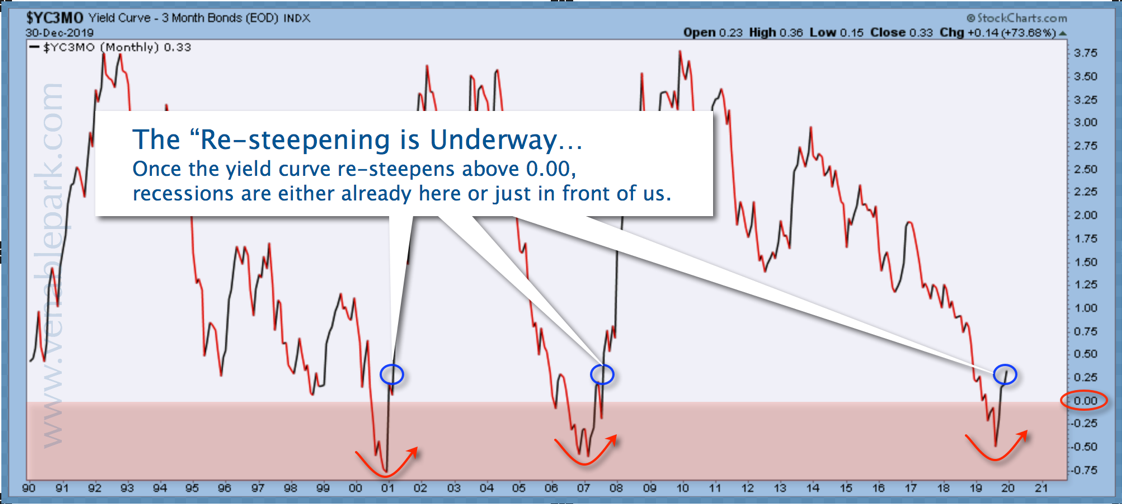
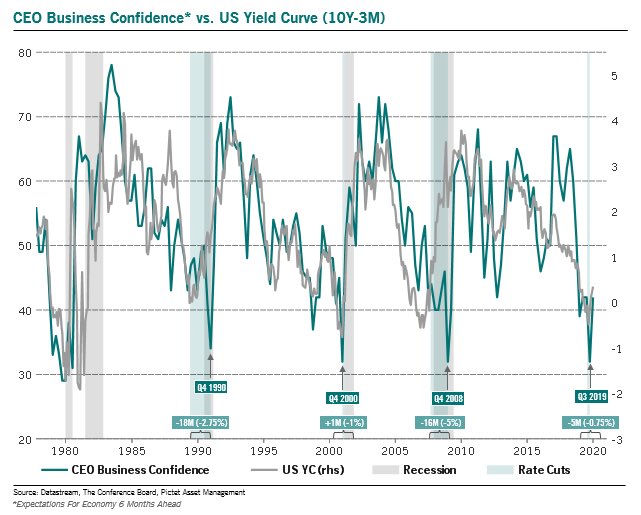
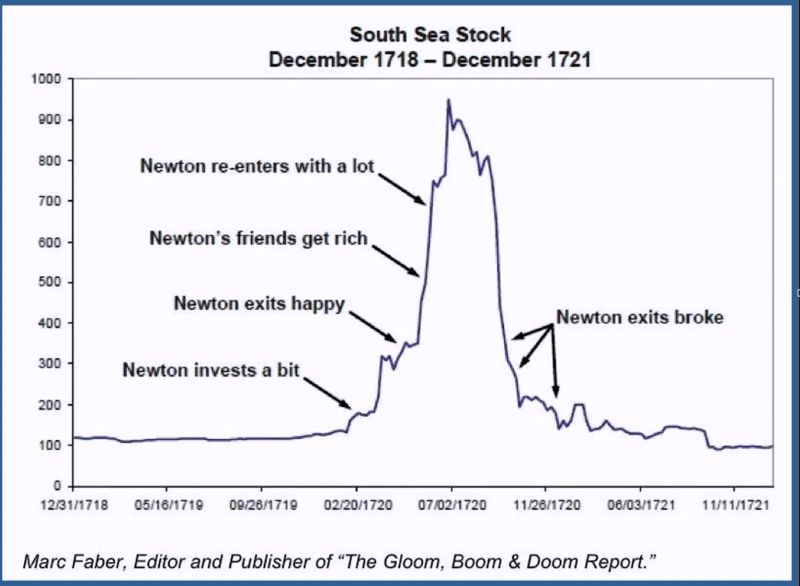
Just as in 2006-07, the next financial crisis is already bubbling under the surface of soaring stock prices and record financial leverage. Relentless QE and liquidity injections have built gargantuan downside for global markets. At this point, everything the Fed does is making the coming fallout larger, not smaller.