WWF: Plant diversity key to health for humans and the planet

The World Wildlife Fund notes that a 60% decline in wildlife populations since 1970 proves that working to protect animals is no longer enough to save them. We have to reverse the forces driving habitat loss and a huge part of that is coming from how we are eating:

  • 75% of it’s now from just 12 plants and five animal sources.
  • Nearly 60% of plant-based calories in most diets are from just three crops — wheat, corn and rice and we are plundering the earth’s natural biodiversity to grow them.
  • Meanwhile, diet-related illness are plaguing our population and bankrupting sick care systems with one third of our kids now headed for obesity.

The new report from WWF and Knorr called Future 50 Foods reminds of 50 diverse, nutritious and affordable food types that most are overlooking, and why it’s essential we evolve our eating habits to sustain our environment and feed the growing global population.  These are foods that humans have always eaten, but most of us have forgotten what they look like and how to prepare them.  If we’re going through the effort of cooking, we might as well make food that’s delicious and health enriching, right?

Adopting new-old eating habits is a win-win-win because plant-rich diets are best for us, the earth and our taste buds–these are mind-blowingly delicious foods to eat.  As the report explains:
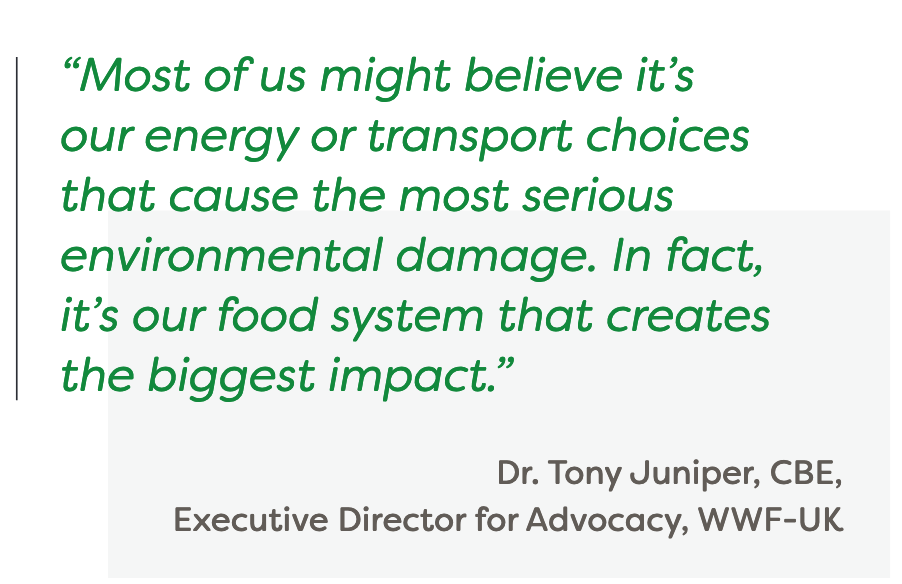
“What’s exciting about this is some of the biggest issues we face – climate change and human health – are coming together and the solutions are deeply aligned…What’s good for us is also better for the planet… consumers can just as easily drive the solutions as the problems. And don’t worry if you’re not familiar with foods like fonio grain or salsify root. You can start by cutting back on meat and eating more beans.”

Posted in Main Page | Comments Off on WWF: Plant diversity key to health for humans and the planet

Harbour Air converting all seaplanes to electric

Taking a float plane between Vancouver and Vancouver Island is a very memorable Canadiana experience.  Moving about that magnificent backdrop with quiet, non-polluting electric engines, is next level awesome.  See:  Harbour Air to convert all its seaplanes to electric for the first all-electric airline:

“Seaplane operator Harbour Air and electric aviation company MagniX have announced plans to make Harbour Air’s entire commercial seaplane fleet all-electric.

Being billed as the “world’s first all-electric airline,” the partnership will see MagniX convert all of Harbour Air’s more than 30 seaplanes to electric. The planes will be powered by MagniX’s magni500, a 750-horsepower all-electric motor.

Harbour Air operates the largest all-seaplane fleet in North America. It flies 12 routes in the Pacific Northwest in Canada and the U.S., from cities like Seattle, Vancouver, and Victoria and smaller destinations. The company says more than 500,000 passengers fly on its 30,000 commercial flights each year.”

Producing different types of renewable energy to feed the grid and charge electric vehicles and other equipment is a massive growth area that is already creating tons of good jobs.  This is all much needed as the world pivots away from destructive models and technology toward new investment-worthy themes.

Posted in Main Page | Comments Off on Harbour Air converting all seaplanes to electric

Old is the new wave in packaging

For centuries humans used biodegradable and reusable packaging for our goods.  From hemp to burlap, paper, cloth or banana leaves, ‘smart’ packaging was the norm.   Now with petroleum-based plastics clogging up our land and waterways and leaching health-harming toxins into our food, everything old in packaging is becoming new again.   When consumers reject plastic in our consumption choices we force the changes needed.  Just say no!  Tell stores and suppliers we want non-toxic packaging, and it will come.

This story is one of may good developments now happening, see Grocery chain replaces plastic produce packaging with banana leaves:

A supermarket chain in Chiangmai, Thailand, is doing its part to stem the tide of single-use plastics flooding into the ocean.

While most supermarkets bundle their strawberries in plastic boxes, their corn in plastic shrink wrap and their mushrooms in plastic produce bags, this grocer has come up with an innovative, eco-friendly solution.

Banana leaves are a plentiful and nearly free resource, except for the cost of gathering them.

They’ve been used for millennia as plates and food wrappers and are still used as stylish serving dishes today in Indian and Filipino restaurants.

Banana leaves are said to lend a special flavor to a dish and can even be used to steam foods like Vietnamese sausage.

Not only do the leaves make for a lovely presentation, but it is believed that an enzyme on the leaf, which is released into the food, aids in digestion.

Posted in Main Page | Comments Off on Old is the new wave in packaging