Australia’s looming problem: ‘interest only’ loans

ABC discusses the problem faced by many interest only loan holders as tighter lending standards bite, forcing some to higher payment P&I loans.  Here is a direct video link.

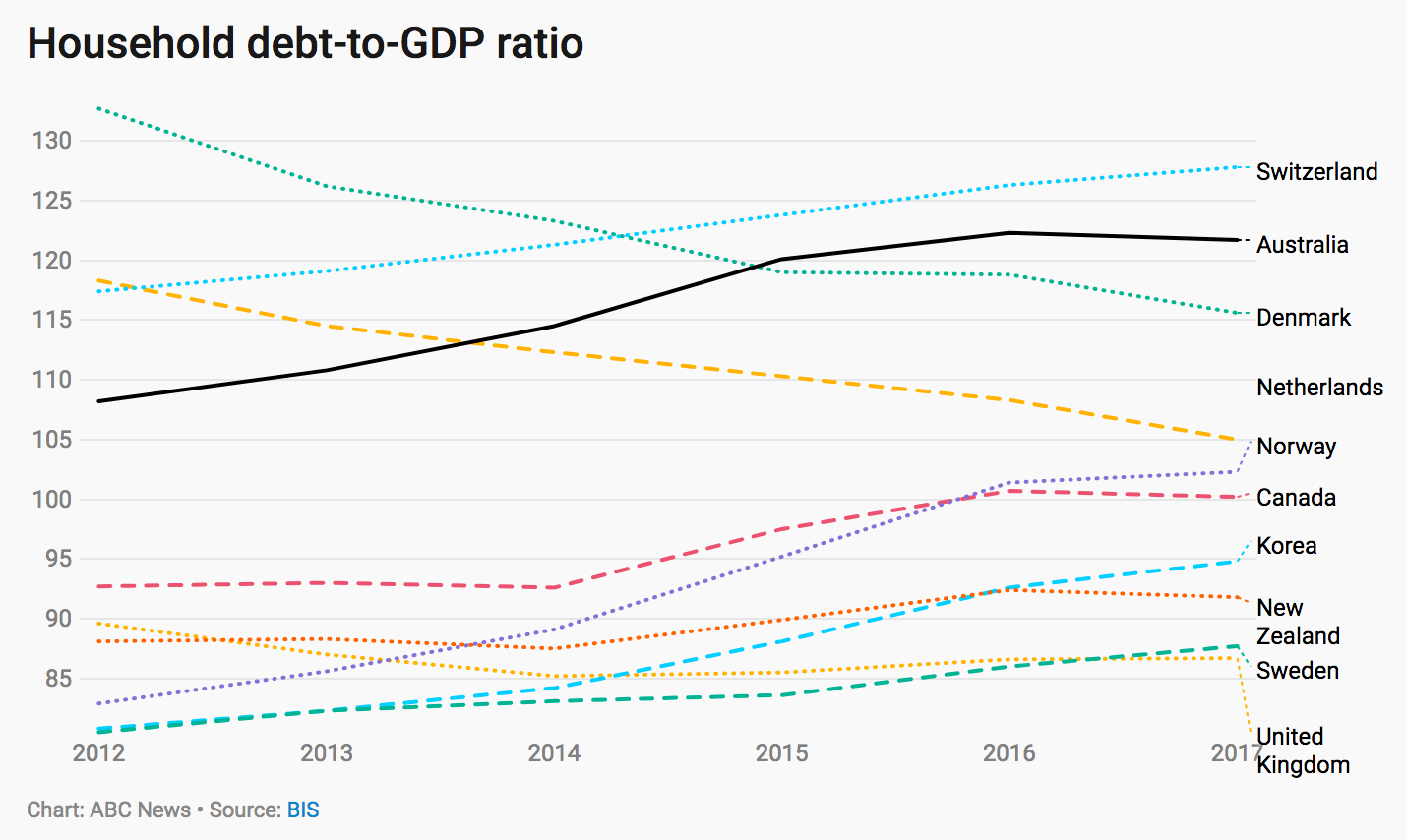
Meanwhile Australia has the second most indebted households–as a percentage of national GDP– in the world (see chart below).  As in Canada, and most other developed countries today, massive indebtedness will increasingly weigh on aging populations with falling productivity and cash flows.  Also see:  Australia pipped by Switzerland for debt world title:

As things stand, it would take a year and 79 days of Australia’s total economic output to pay off what we owe — and that doesn’t include the interest we’re accruing. That’s more than twice as much household debt as Greeks have.

Only the Swiss are more indebted and, while we may not beat them on the football field, we’ve now got the Danes licked for household debt.

With so much debt, Australians also have high repayments, averaging 15.5 per cent of incomes, second only to the Dutch at 16.6.
Posted in Main Page | Comments Off on Australia’s looming problem: ‘interest only’ loans

12 ways ‘dumb’ phones could be making our lives worse

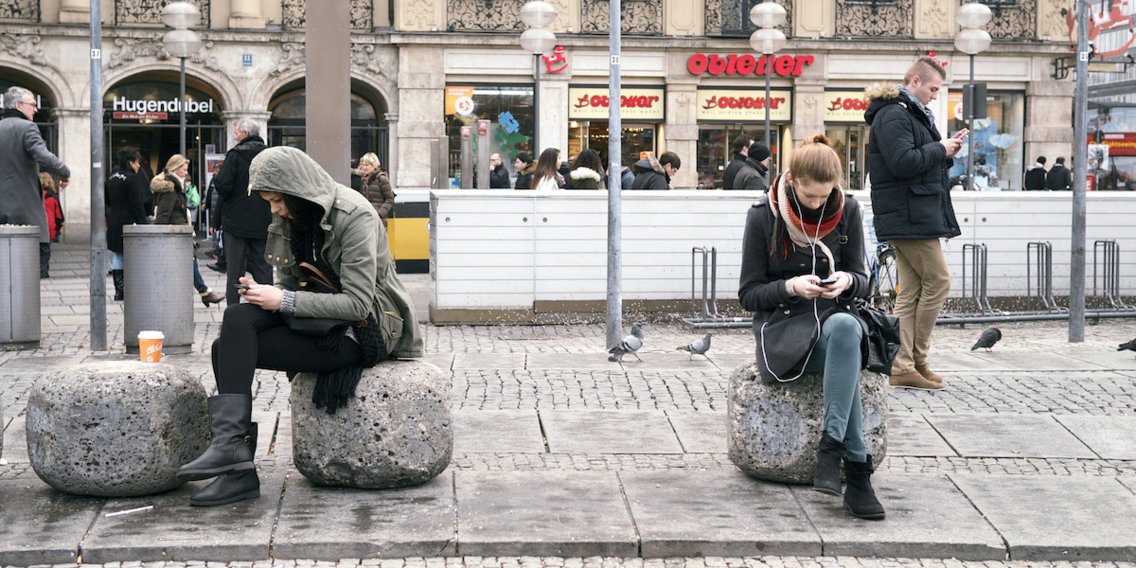
Further to Time to kick the ‘dumb’ phone addiction, clinical psychologist and author of “Facehooked: How Facebook Affects Our Emotions, Relationships, and Lives,” Dr. Suzana E. Flores explains how smartphones cause friction and can contribute to relationship and mental health problems, see 12 ways, from an expert, that smartphones could be making your life worse.


Posted in Main Page | Comments Off on 12 ways ‘dumb’ phones could be making our lives worse

Is it helpful to help people into properties they can’t afford?

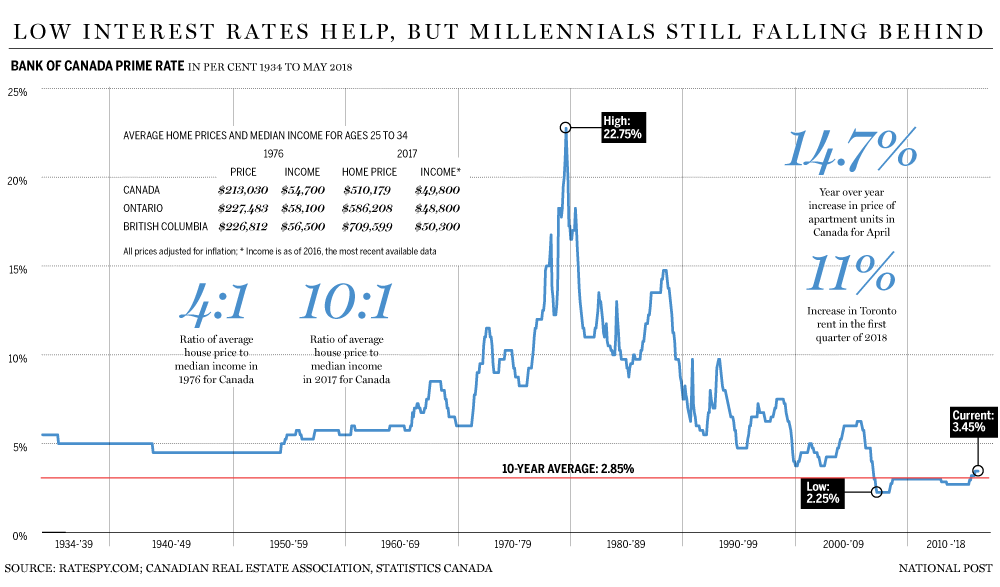
As shown in this chart, the median household income in Canada for ages 25 to 34 declined from 54K in 1976 to 49K in 2016 even as most families moved from one to two income earners.  Meanwhile interest rates moved through the widest range in 5000 years of data, with the prime rate falling from 22% in 1980 to 2.25% by 2016.  In the process, the average home price ballooned from 4x median household income to an unprecedented 10x by last year.   It should be no surprise then that just one in three Canadians under 35 were homeowners in 2017, compared to one in two in 1976 (UBC).  See:  Millennial housing crisis? Turns out it’s real, and worse than you thought

Based on historical norms, it is entirely likely that this housing cycle will conclude with 30%+ price drops and a decade and more before today’s prices are seen again.  So the challenge for young and old today is to respond to the current real estate cycle in ways which are beneficial to their own life cycle.  For people 50+ that may mean downsizing their home or selling vacation properties sooner than later, and for younger people it may mean renting longer and not hurrying to bury themselves in debt to buy housing at current levels.  As for parents helping their kids:

In April, Glover finally landed a one-bedroom condominium for a little less than $600,000. But he doubts he’d ever have pulled it off without his parents.

“That was super helpful,” he said. “It made a huge difference.”

Thoughtful minds should ask is it ‘helpful’ to enable young people to buy into one of the most heinously overvalued property markets on the planet?  Time will tell.


Posted in Main Page | Comments Off on Is it helpful to help people into properties they can’t afford?